
My curriculum for doing hard things
A documentary photographer’s reading list. I think of the books on my shelf as the secret ingredients to my creative process. Creativity isn't just a skill to whip out. It's a whole way of moving through the world, and every story or idea I consume feeds that. Knowledge is power.
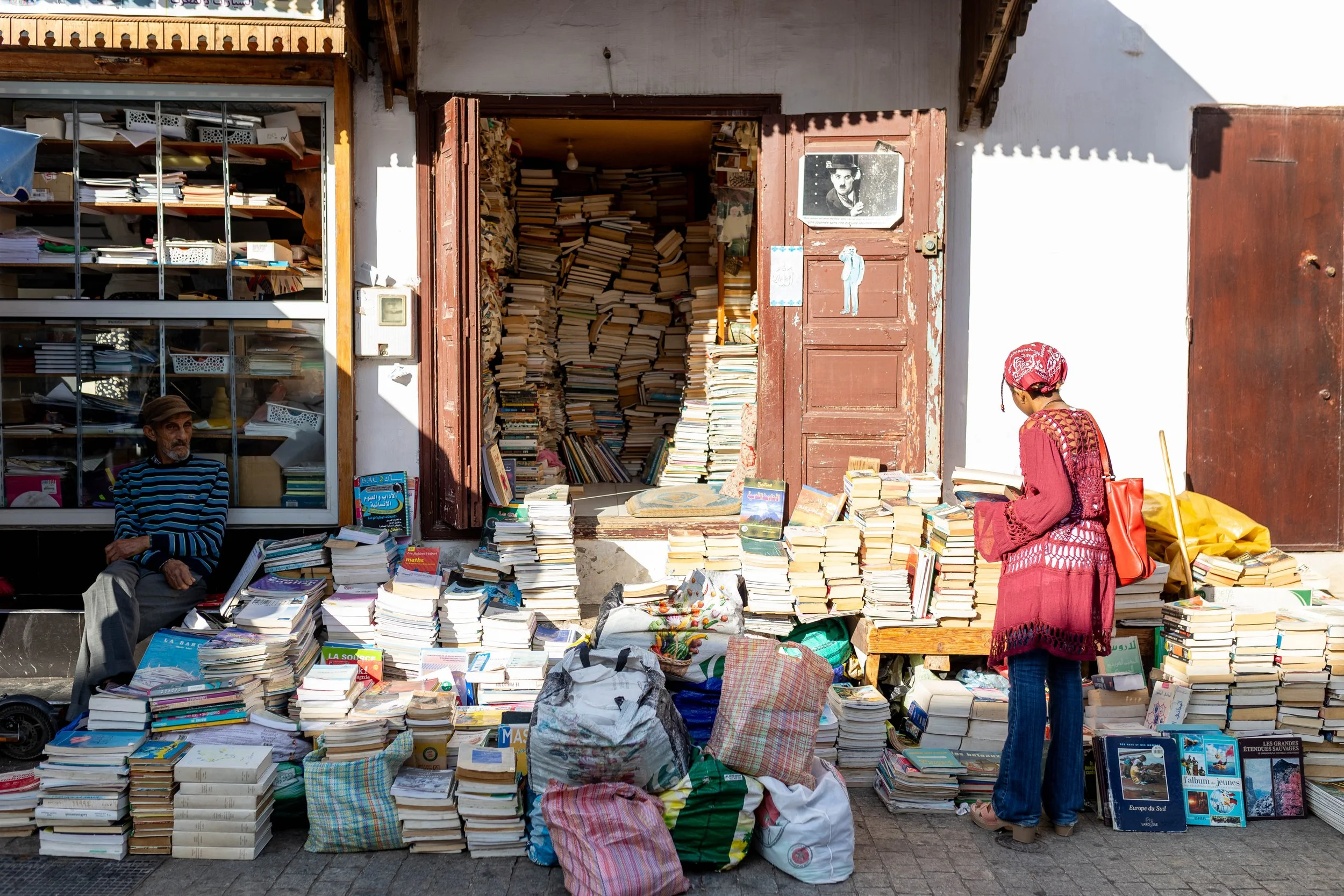
My favorite thing to do while traveling is explore local bookstores, even if I don’t understand the language. You can learn so much about a new place in so little time! This photo was taken in Morocco while exploring the Rabat medina.
These are the titles I keep coming back to:
They remind me that the deep challenges our world faces won't be solved in my lifetime but that my small contribution is still part of the long, steady effort to bend humanity toward justice. With each generation, may things get a little better for the next. What a strange, humbling honor to be part of that chain.
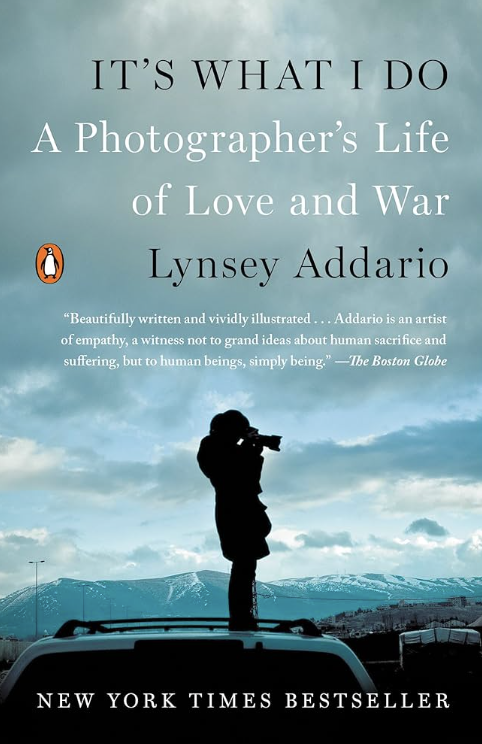
It’s What I Do by Lynsey Addario
A photojournalist’s memoir. Addario puts into words the ethical challenge of documenting conflict. She spends her career living inside the tension between bearing witness and being an intruder: What do you owe the people you photograph?
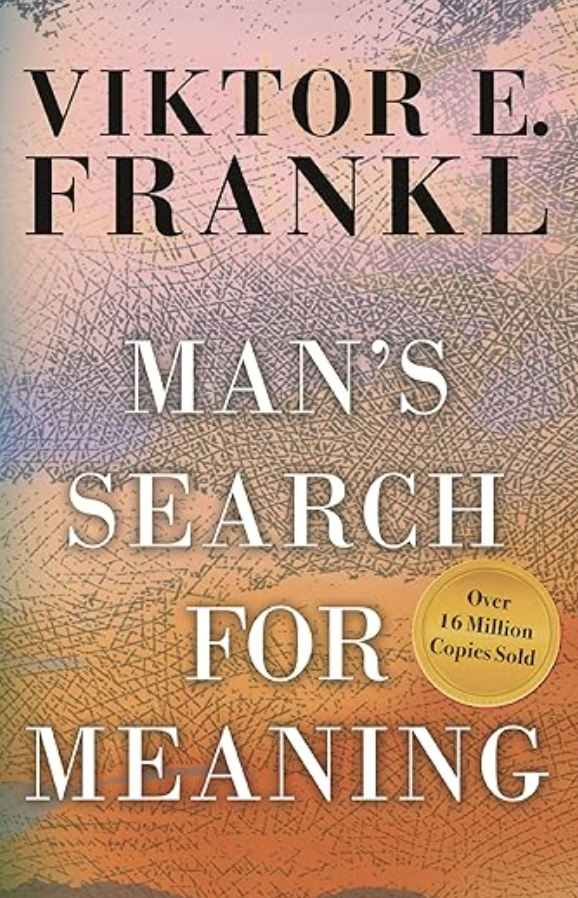
Man’s Search for Meaning by Viktor E. Frankl
Meaning can be found anywhere, even in suffering, if we choose to look for it. That "if we choose" is the part that stays with me. Even in the most devastating circumstances, human beings retain an extraordinary capacity for choice and dignity.
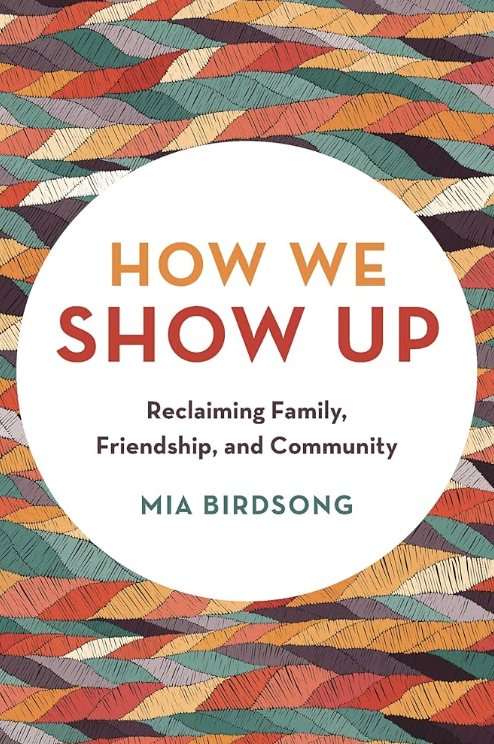
How We Show Up by Mia Birdsong
Cuts through the noise of what "community" is supposed to look like and gets to what it actually requires. The way we've been taught to organize our lives (who counts as family, who we're responsible to) was never designed to actually sustain us. This has served as a core reminder that relationships are everything, and that we should build lives with people, never for them.
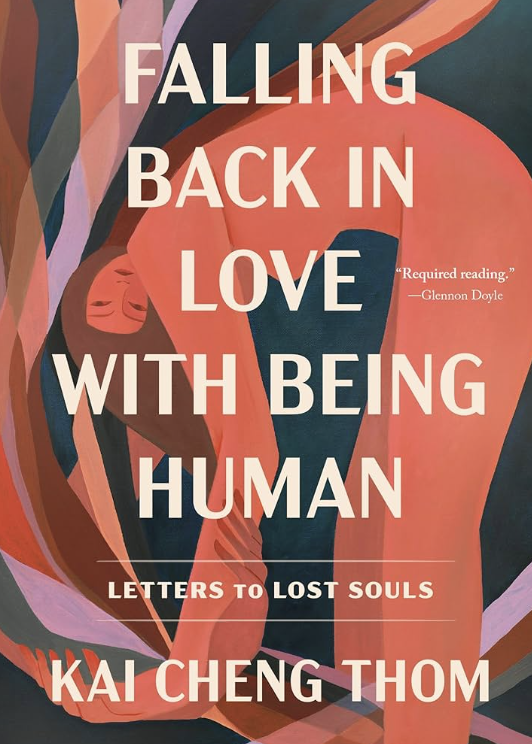
Falling Back in Love With Being Human by Kai Cheng Thom
Thom writes about the exhausting, but necessary work of staying open to other people’s pain, to your own, to the mess of actually being alive together. A line that sticks with me: “i have questions about heaven. i have questions about the Revolution. those questions are the same: upon whose bones do you intend to build your paradise?”
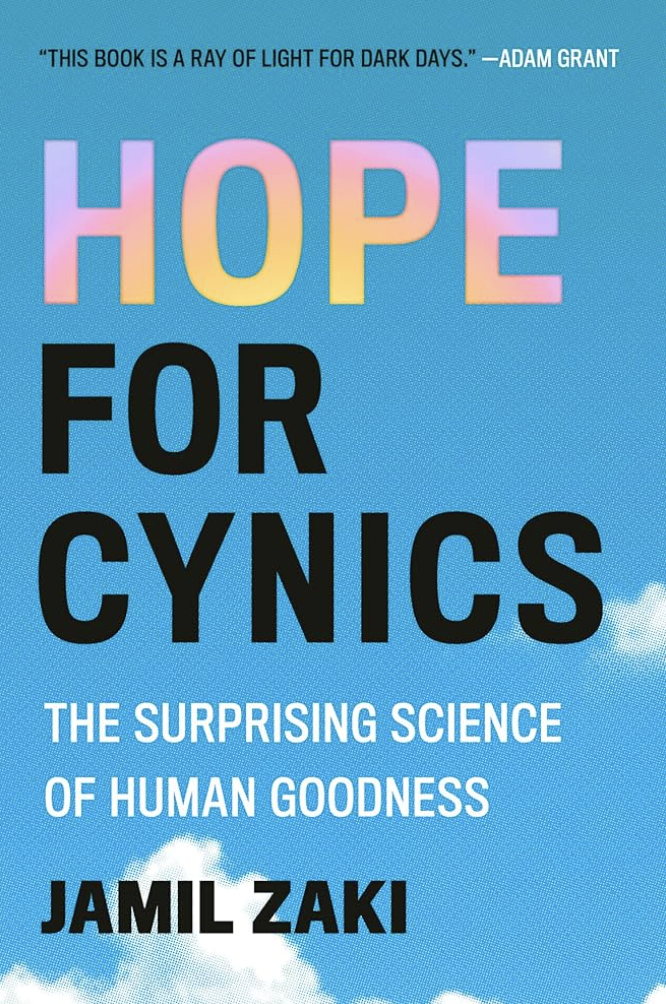
Hope for Cynics by Jamil Zaki
Zaki's big argument is that empathy isn't something you either have or you don't. It’s something you can get better at and something that atrophies if you stop using it. Every story I tell is a chance to exercise that muscle, in myself and in whoever's watching.
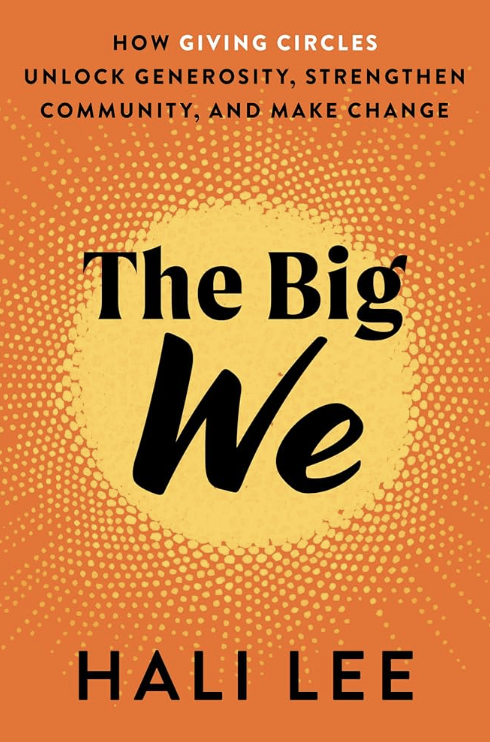
The Big We by Hali Lee
An absolute must-read for anyone who feels stuck and powerless right now. What would it look like if we actually organized resources around shared humanity instead of individual achievement? The Big We provides tangible steps to do just that!
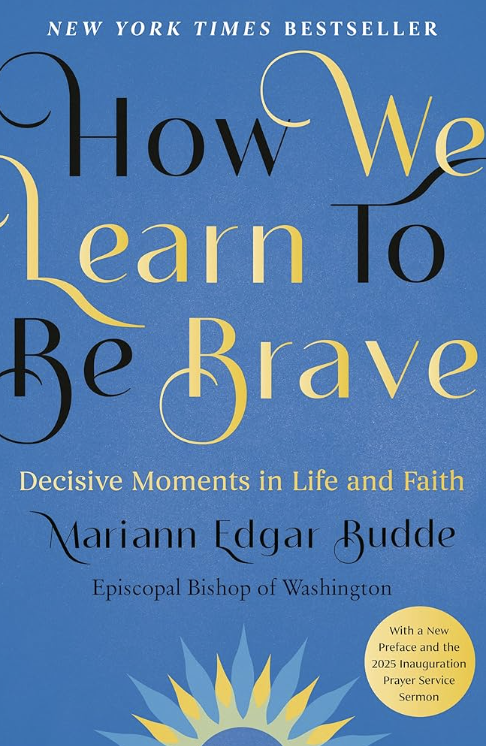
How We Learn to Be Brave by Mariann Edgar Budde
You might recognize Budde as the Episcopal bishop who, at Trump’s inaugural prayer service, looked directly at him and asked for mercy on immigrants and LGBTQ people (on national television, in front of the whole world). Same to say that I trust her judgment on what it takes to be brave! Budde’s central argument is that bravery isn't a trait you're born with but it’s a skill you learn. She shares her own life as proof: the fears, the hesitations, and the times she moved forward not because she felt ready but because she decided readiness wasn't the point.
These stories are my curriculum for being a better neighbor, a better listener, and a more ethical photographer. What books are inspiring you right now? I’m always looking for recommendations!
Words for the search bar: Documentary Photography, Visual Storytelling, Duluth Minnesota, Ethical Storytelling, Travel Photographer, Nonprofit Photographer, Freelance Photographer, Storytelling Consultant, Molly Suzanne Creative