
The 3-minute video that raised $48,000 for families in Cuba
A quick disclaimer: Given Christianity’s tangled history with colonization, I don’t take partnerships with faith-based orgs lightly. When done right, churches can be incredible community partners across borders since they are built on relationships and operate closer to the ground than government aid ever can, filling human needs directly rather than through layers of policy. The featured organizations earned my trust by centering actual needs over religious conversion.
How do you show struggle without turning resilience into a spectacle?
You’ve seen it before. The “starving child in Africa” videos that on the surface don’t seem wrong, but when you dig a little deeper, you may begin to question it.
Organizations involved in international development are often well-intentioned, but their marketing is recklessly executed. This is not to say that you shouldn’t care about clean water or food access in other parts of the world. It is to make sure the people you want to help are the ones actually benefiting, not just the organization asking for your money or the storyteller collecting views. A few questions worth pondering before you donate or share a video like that:
Who filmed the video and why?
Is it to raise awareness, create clickbait, or collect donations?
Who is collecting this money, how is it being distributed, and who is it being distributed to? “Africa” is not an answer, it is a continent.
Who are the people featured in the video? Do they appear to be filmed with consent, or from afar?
How do you know that the people sharing the story will benefit from the story being shared?
It’s a slippery slope, and one that many storytellers fall into if they aren't careful. Someone is going through something hard, and they handle it with more grace than most of us could manage and the instinct is to hold that up like a trophy. It seems harmless to say, "Look how strong they are. Look what they overcame." But somewhere in that admiration, their hardship becomes content.
When we tell a story like that, we get to feel something: moved, inspired, maybe even a little proud of ourselves for noticing. But the person who shared their story doesn’t get anything from that feeling unless it’s followed by something concrete. We’ve extracted a narrative from someone’s life and mis-named it support. We’ve told a story on somebody else’s behalf instead of asking what they actually need, and seeing how we can fill that gap.
It’s a well-intentioned, vicious cycle that keeps me up at night to the point of drafting this newsletter in the middle of the night (and buckle up because it’s a long one). All this to say, I recently made a fundraising video that helped ARMF raise nearly $48,000 for basic necessities like food, baby formula, and wheelchairs to be shipped directly to families in Cuba. It’s only 3 minutes long, but it’s one of the more challenging projects I’ve worked on.
How on earth did a small town Wisconsin girl end up collaborating on this? Lucky for you, I don’t believe in gatekeeping so here’s the story.
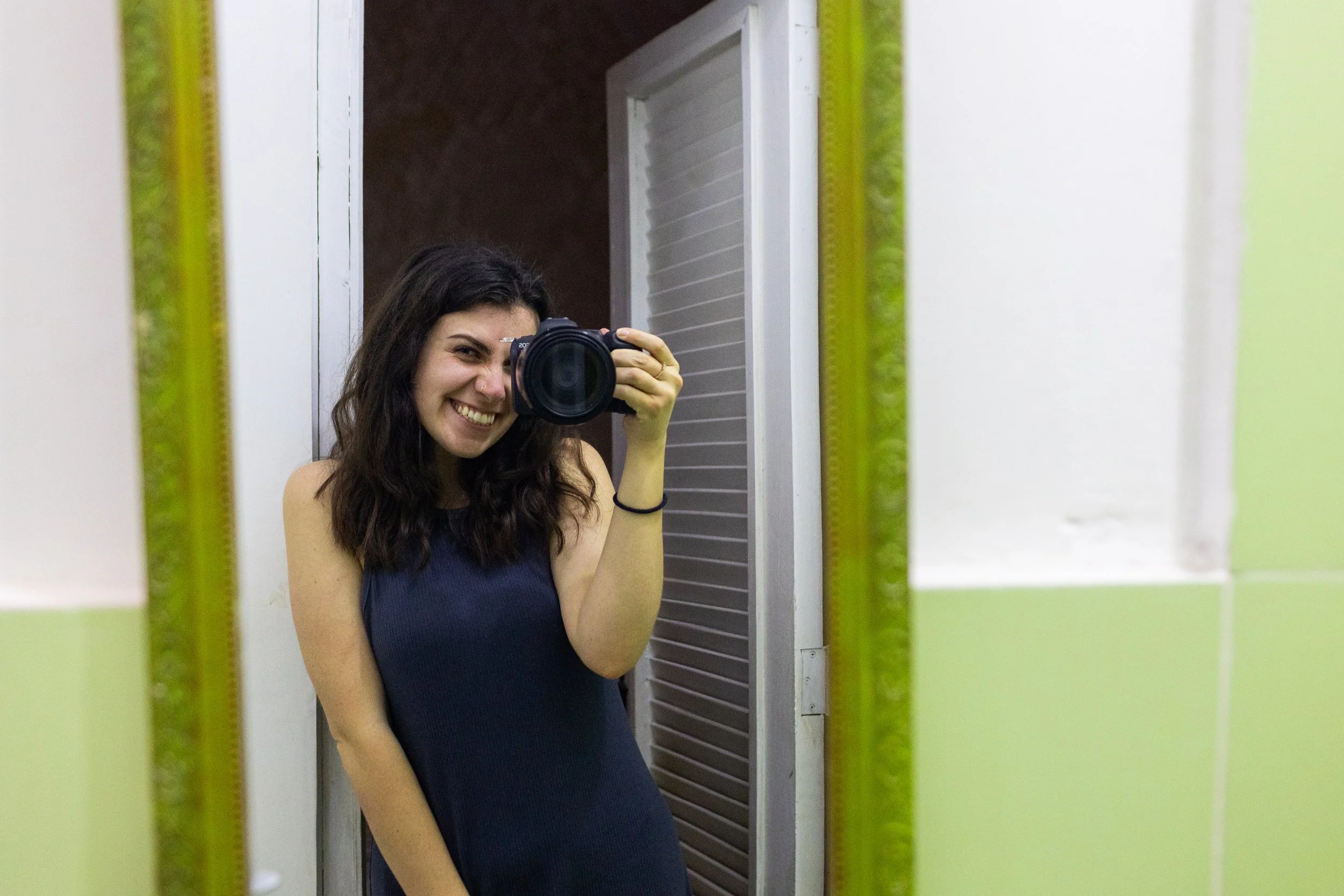
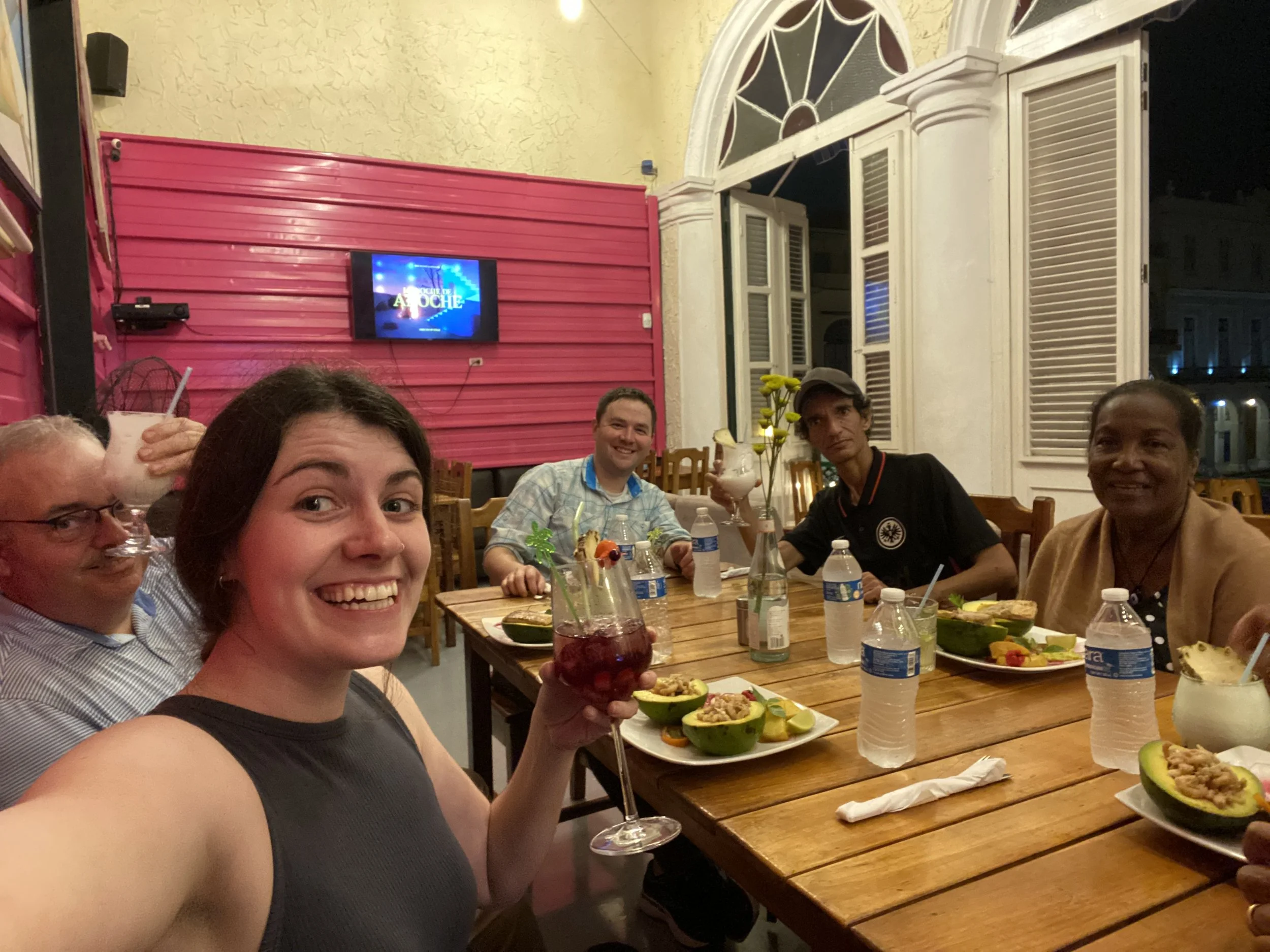
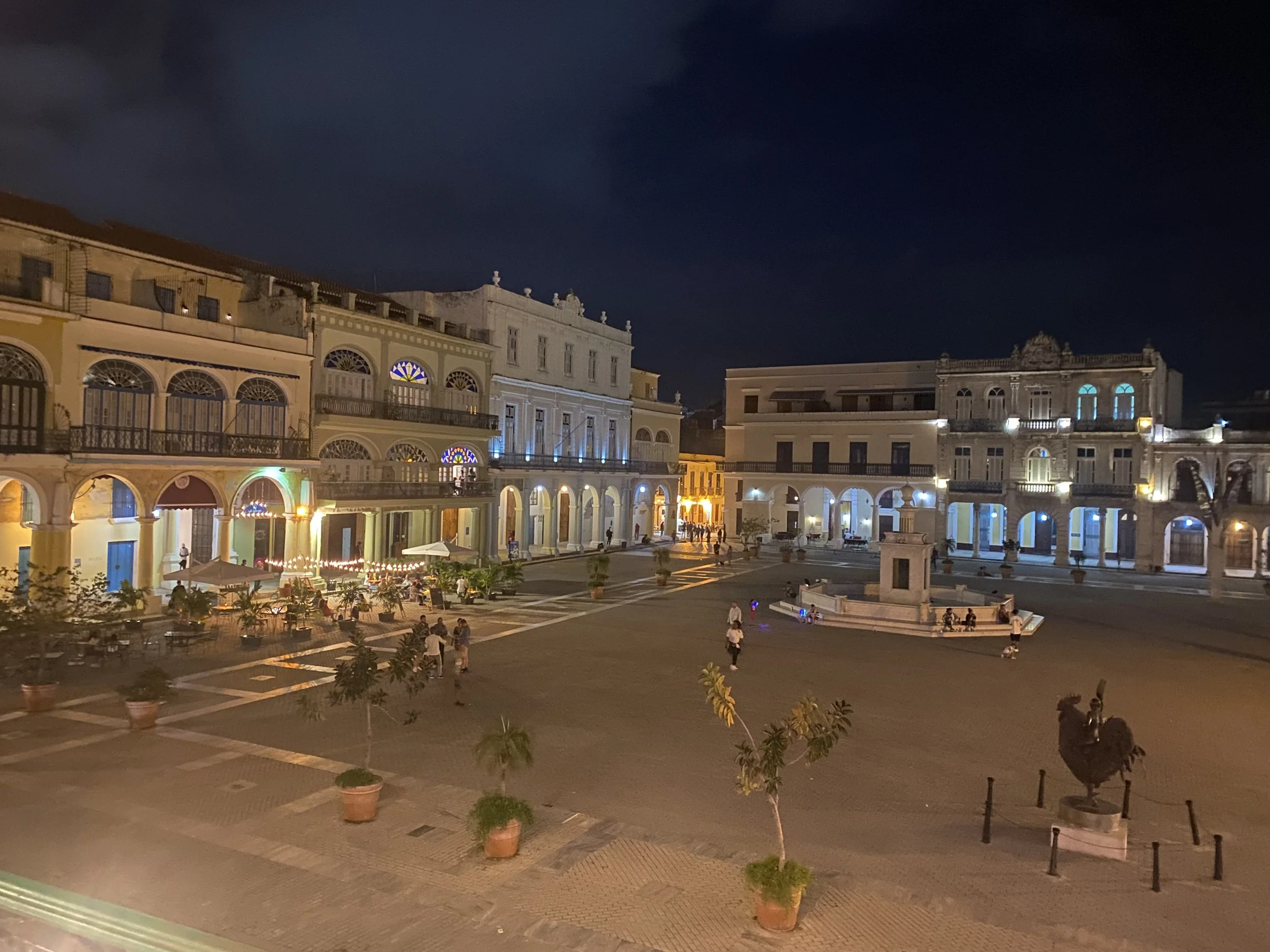
Where it started: January 2024 (aka my 21st birthday)
In January 2024, I was a communications intern for the Board of World Mission (BWM) and went to Cuba for the first time to document a Moravian Church Bishop's consecration. But I was never actually supposed to be there. Let me explain…
I started my internship in summer 2023 to learn the basics of nonprofit communications. Most of my internship was remote but BWM gave me the opportunity to attend a church camp in Cuba at the end of the summer. Then in a shocking turn of events, 2 days before I was set to leave I got COVID and couldn’t go. A few months later, BWM’s Executive Director reached out and asked if I’d like to join him on a trip in January since I had unused flight credits anyway.
“Sounds like a wonderful excuse to skip classes, I’m in.”
And before I could even wrap my head around it, I landed in Havana on my 21st birthday and enjoyed a glass of sangria while overlooking the streets of la habana vieja. No complaints.
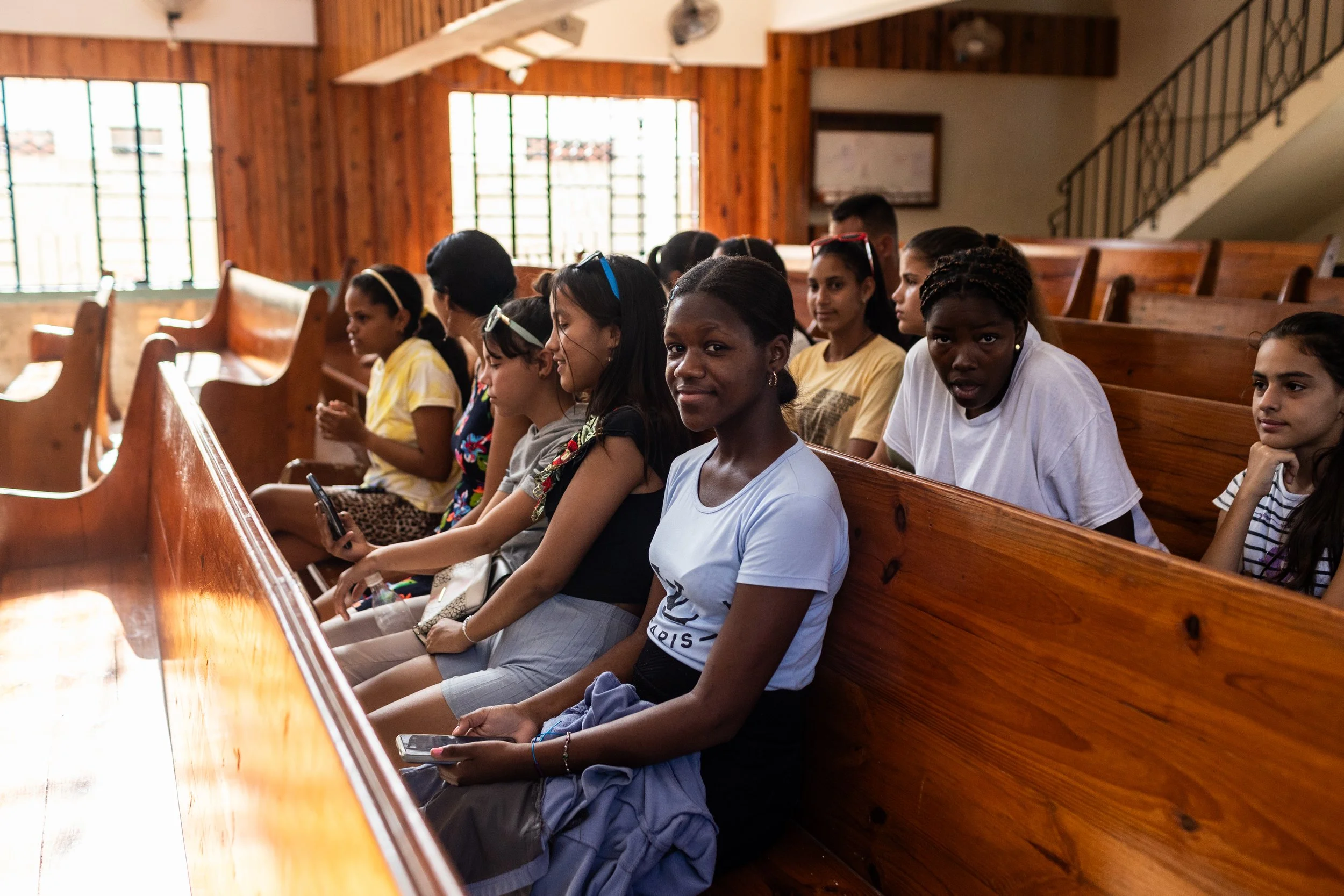
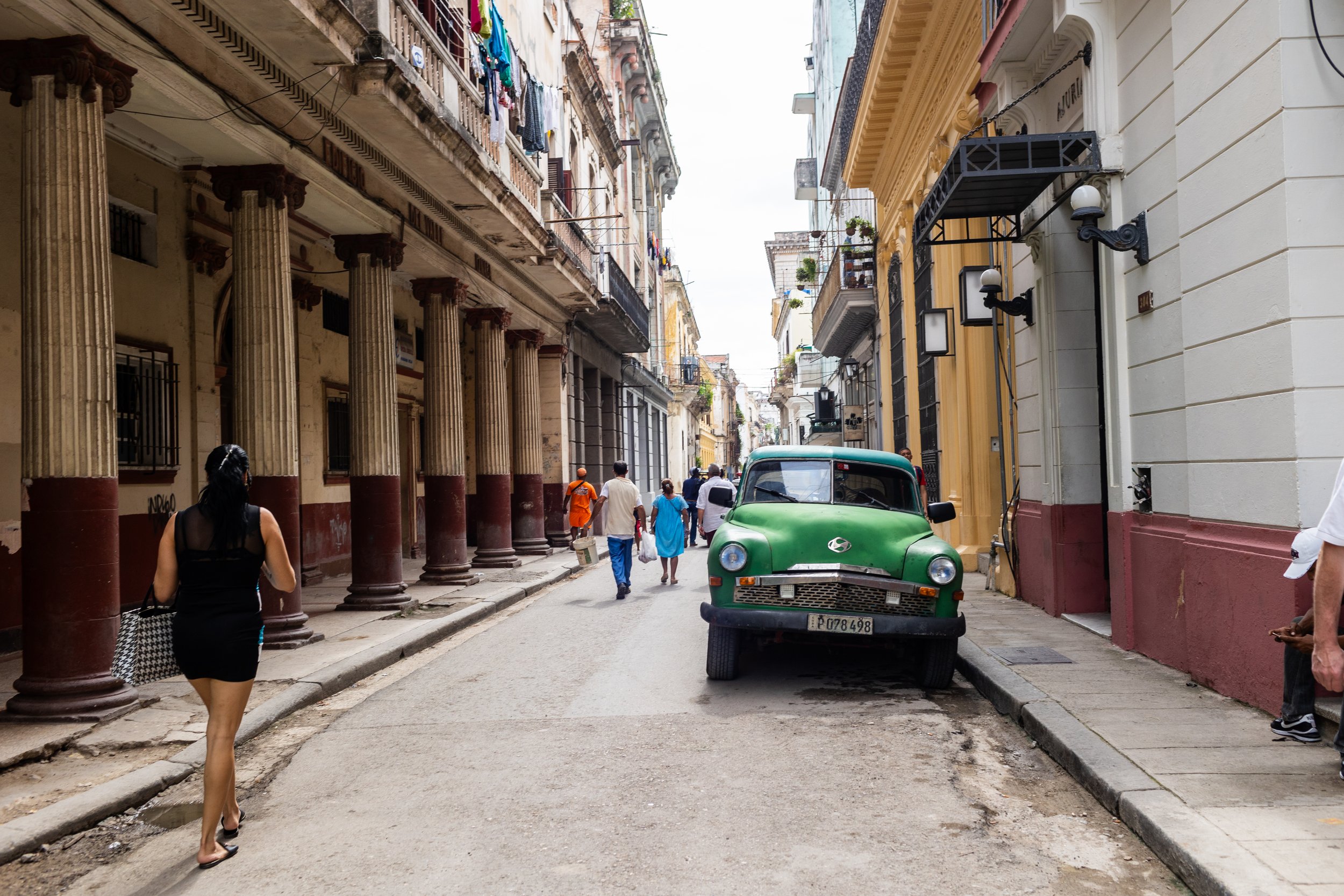
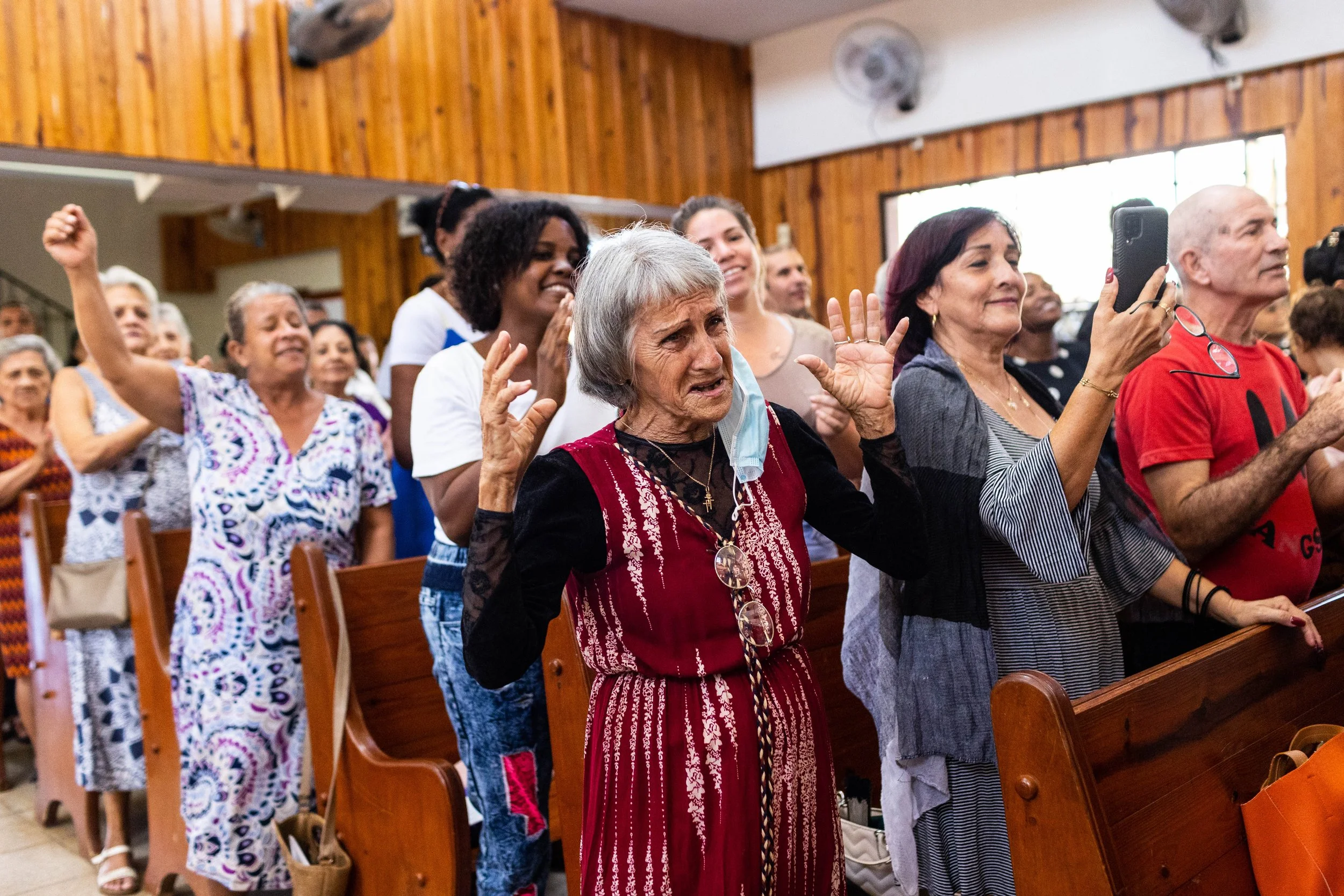
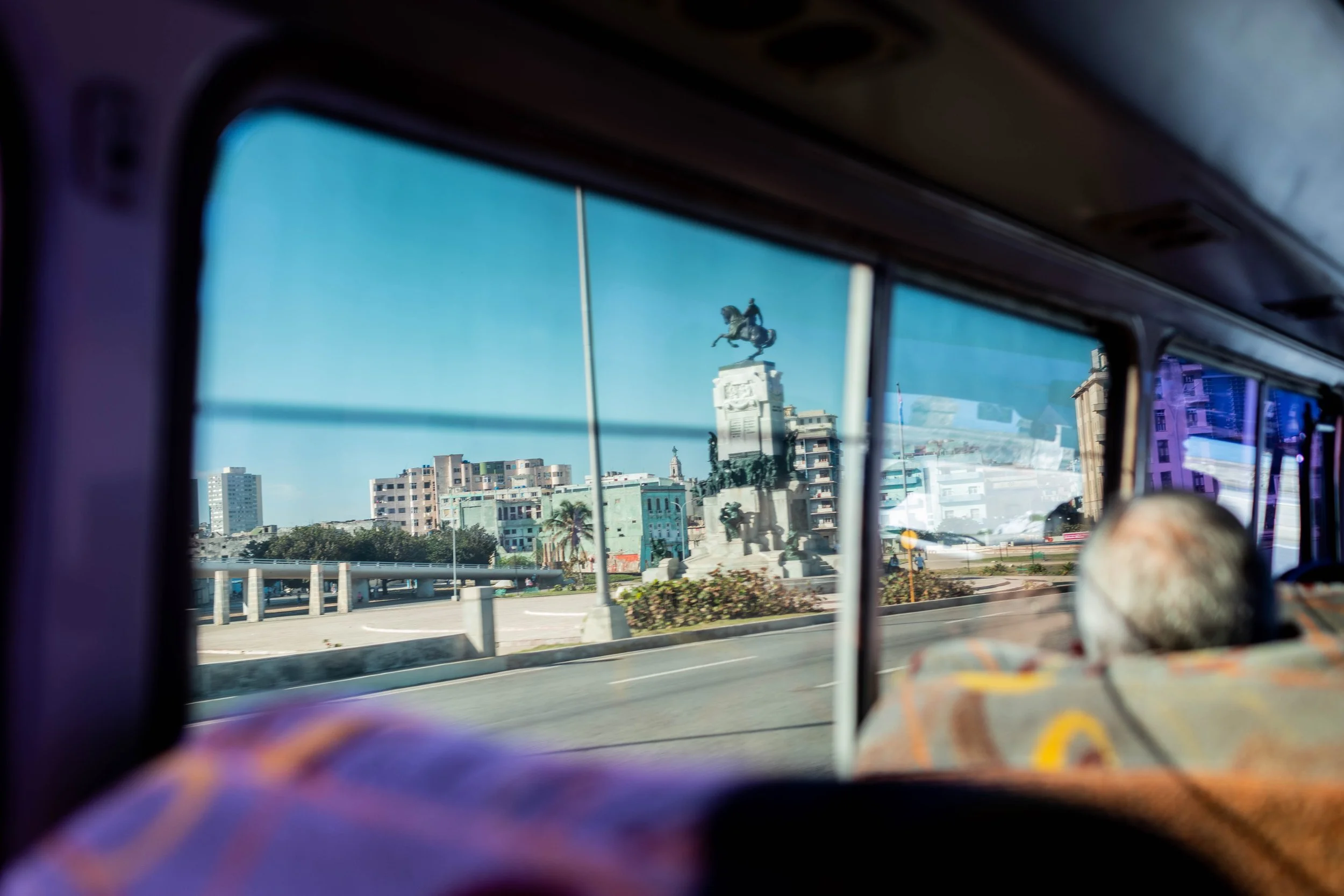
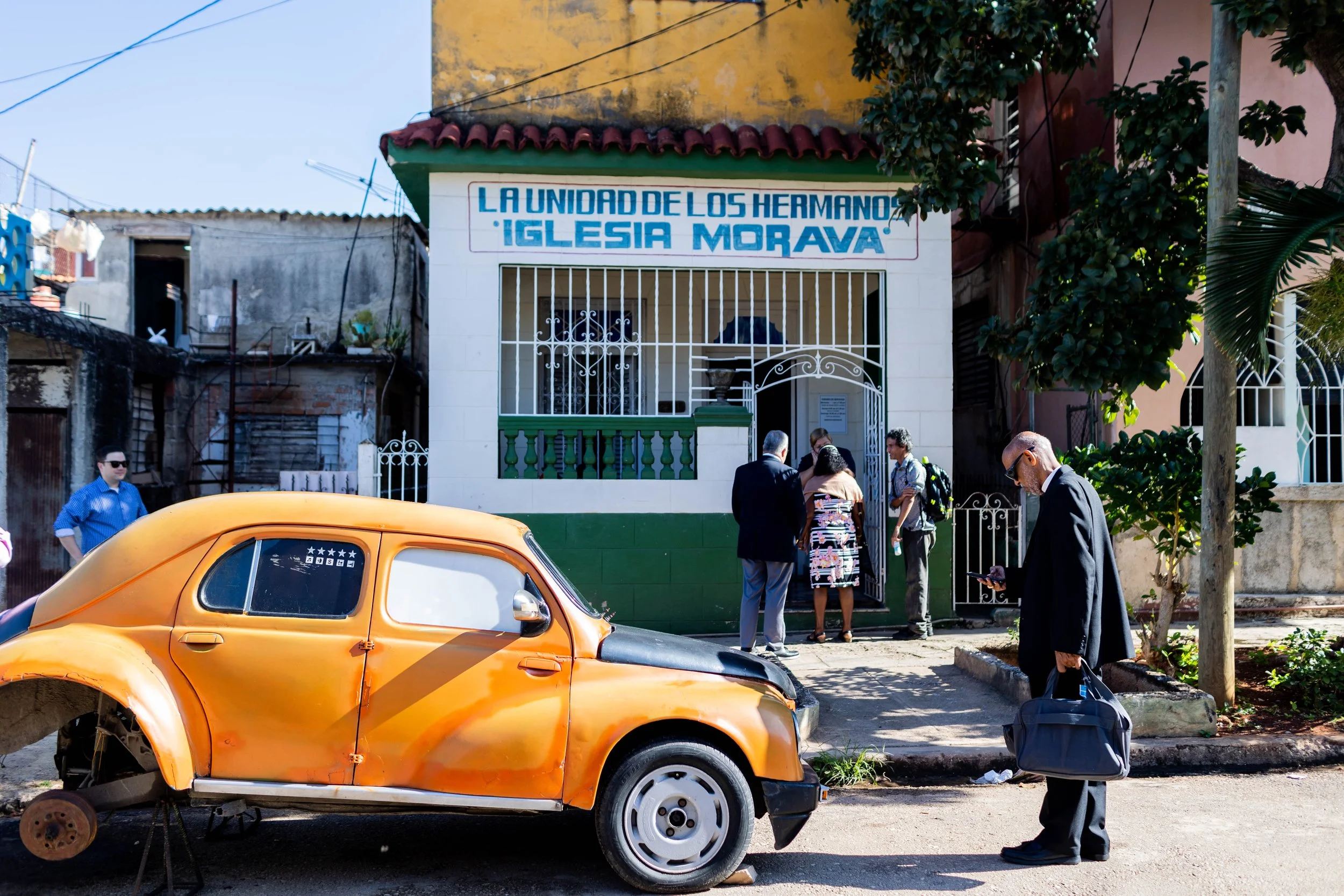
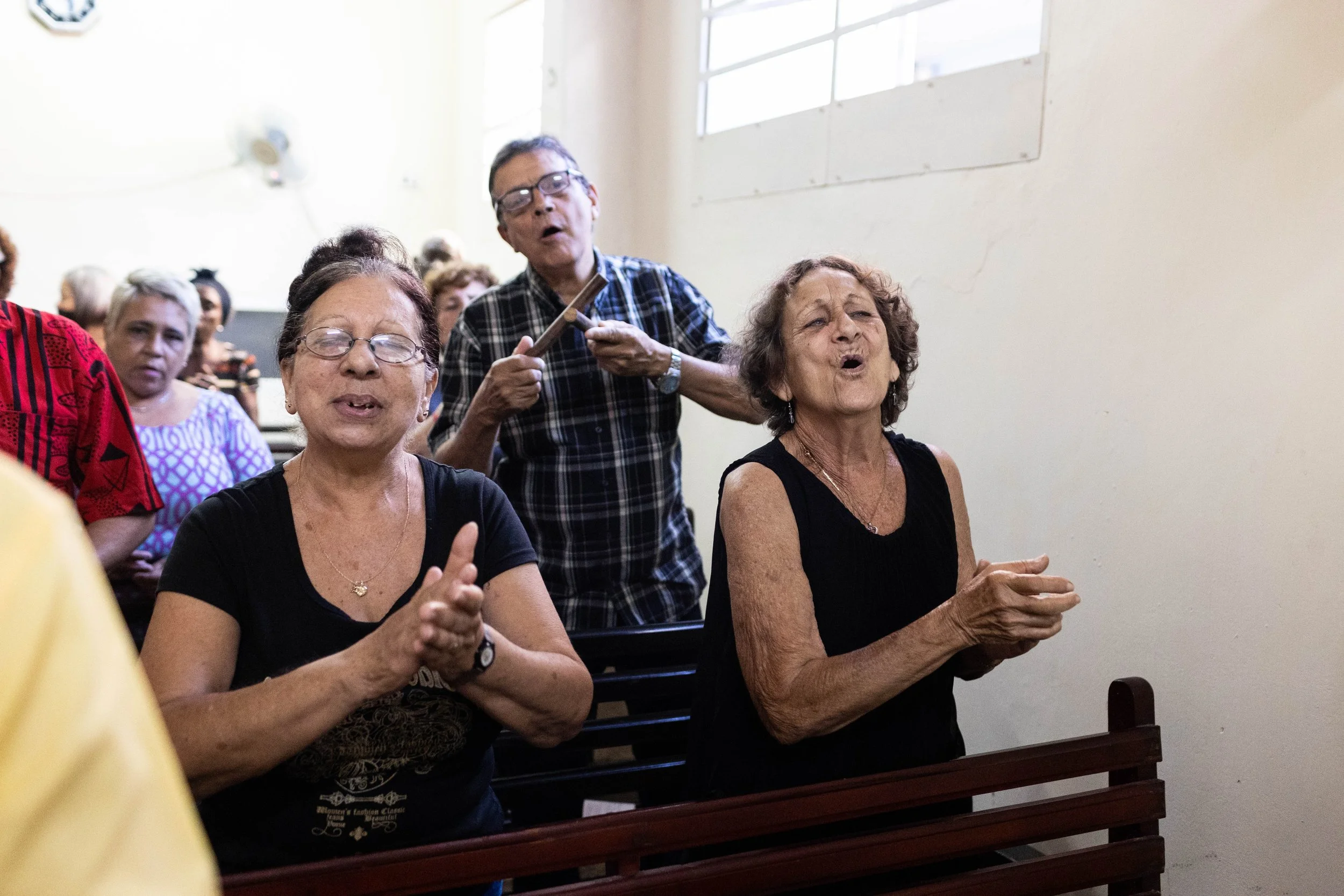
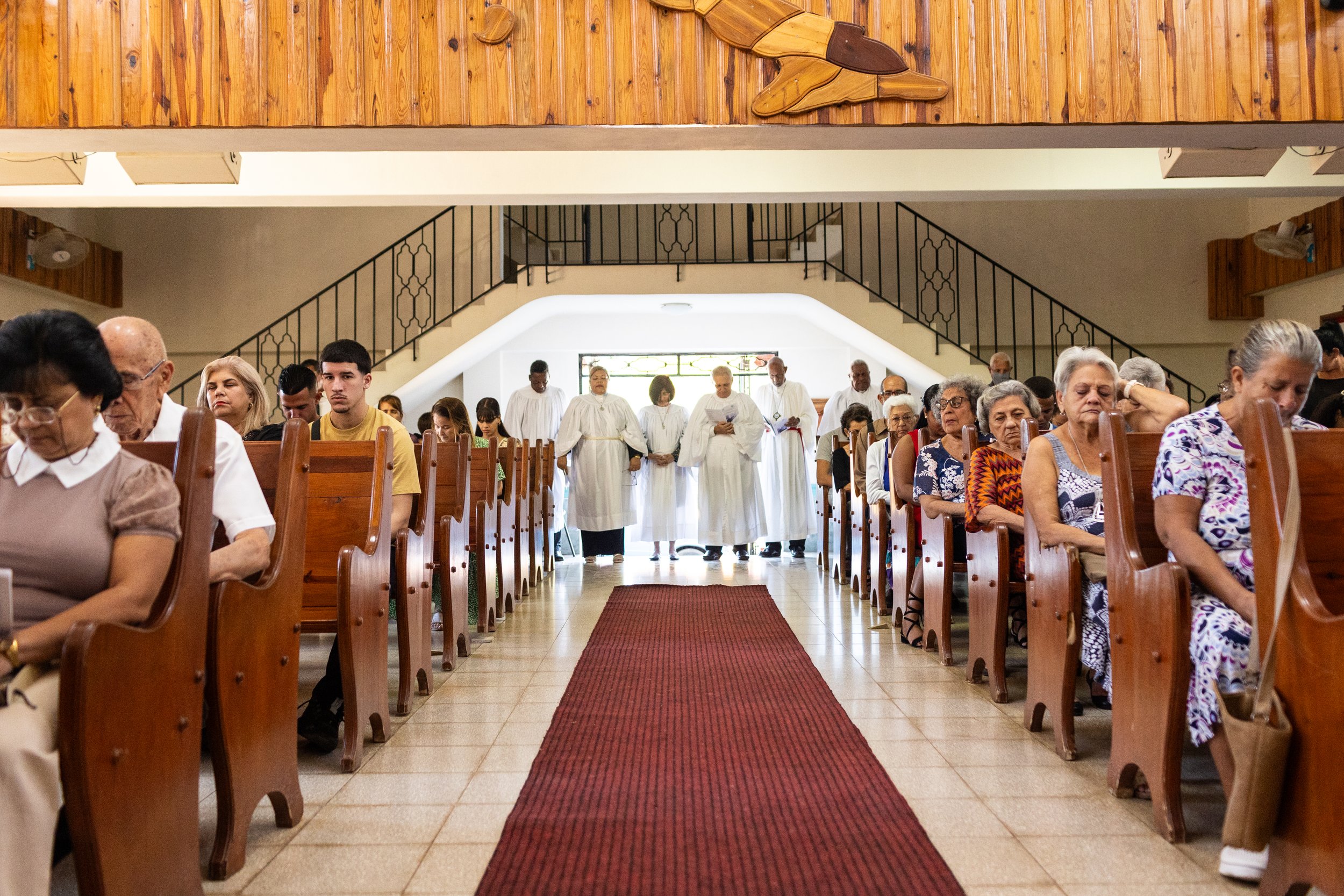
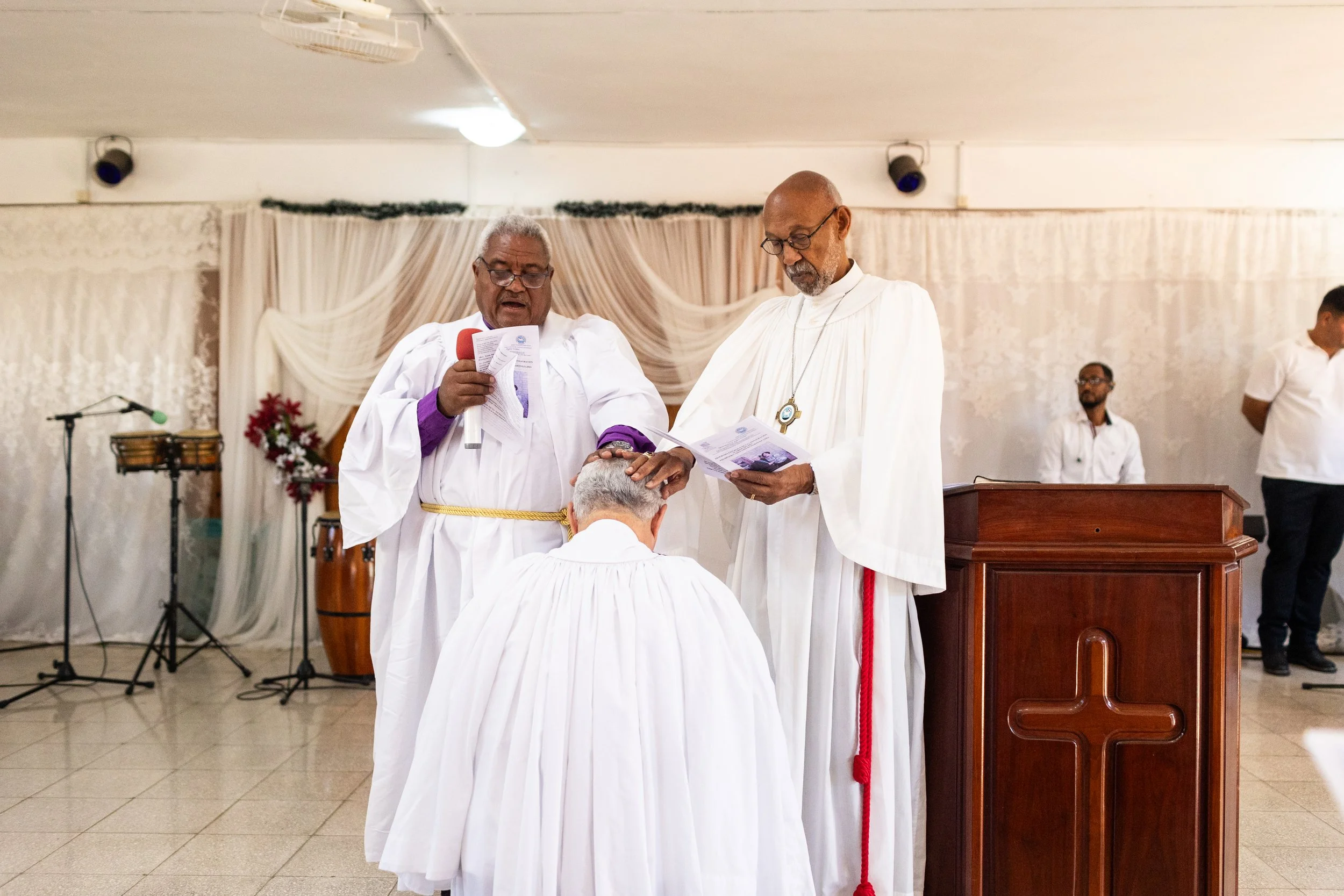
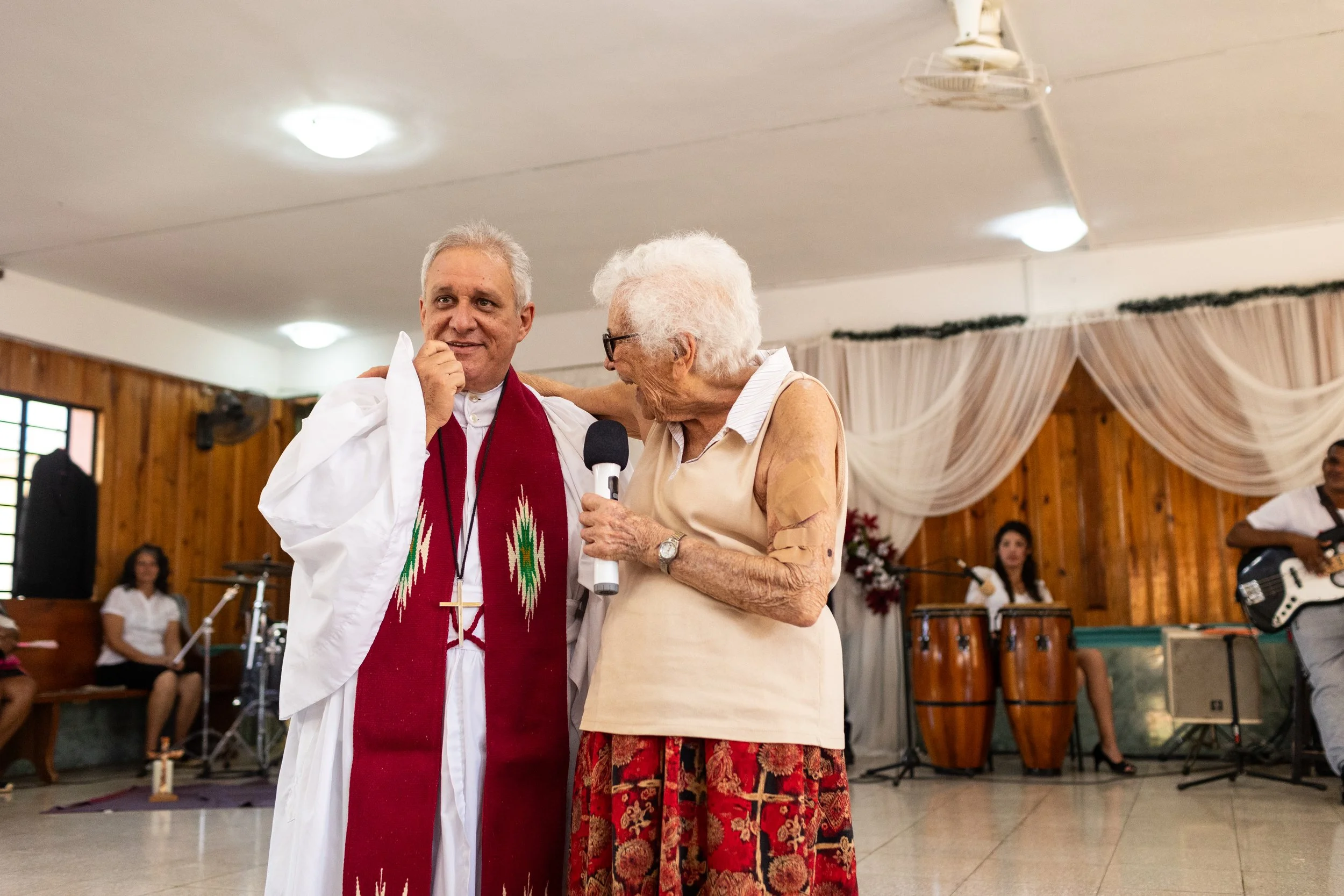
My job was simple: show up, document the consecration, go home. By this point the congregation knew a photographer was flying in from the U.S. for that reason, and honestly, that framing put a wall up (a polite one, but a wall). I wasn’t there to be part of anything, I was a guest with a camera.
Most of what I photographed on that trip were general pictures of the streets of Havana and people gathered for the ceremony itself. Nothing wrong with that, it just wasn’t the same kind of access I’d have later.
What made my return to Cuba so different
After the January 2024 trip, I kept loosely in touch with the Cuban friends I’d made through Facebook, WhatsApp, and oddly enough, Duolingo (shoutout to my 100+ day streak with Nilo!). The congregation posts a lot on Facebook, so even from a distance I had this steady little window into what church life looked like.
By the time I landed back in Cuba in August 2025, I was no longer walking into a room of strangers. These were people who’d been watching my life unfold over social media for a year and a half, the same way I’d been watching theirs.
This time, I was contracted by BWM to actually tell the story of their partnerships abroad through strong photos and video. Here’s the thing about sending money across borders: transparency is everything. To keep giving, donors need to know where the money is going, that it is reaching the people it was meant to, and that it is making a real difference. Not just be told that in a newsletter (irony noted), but shown.
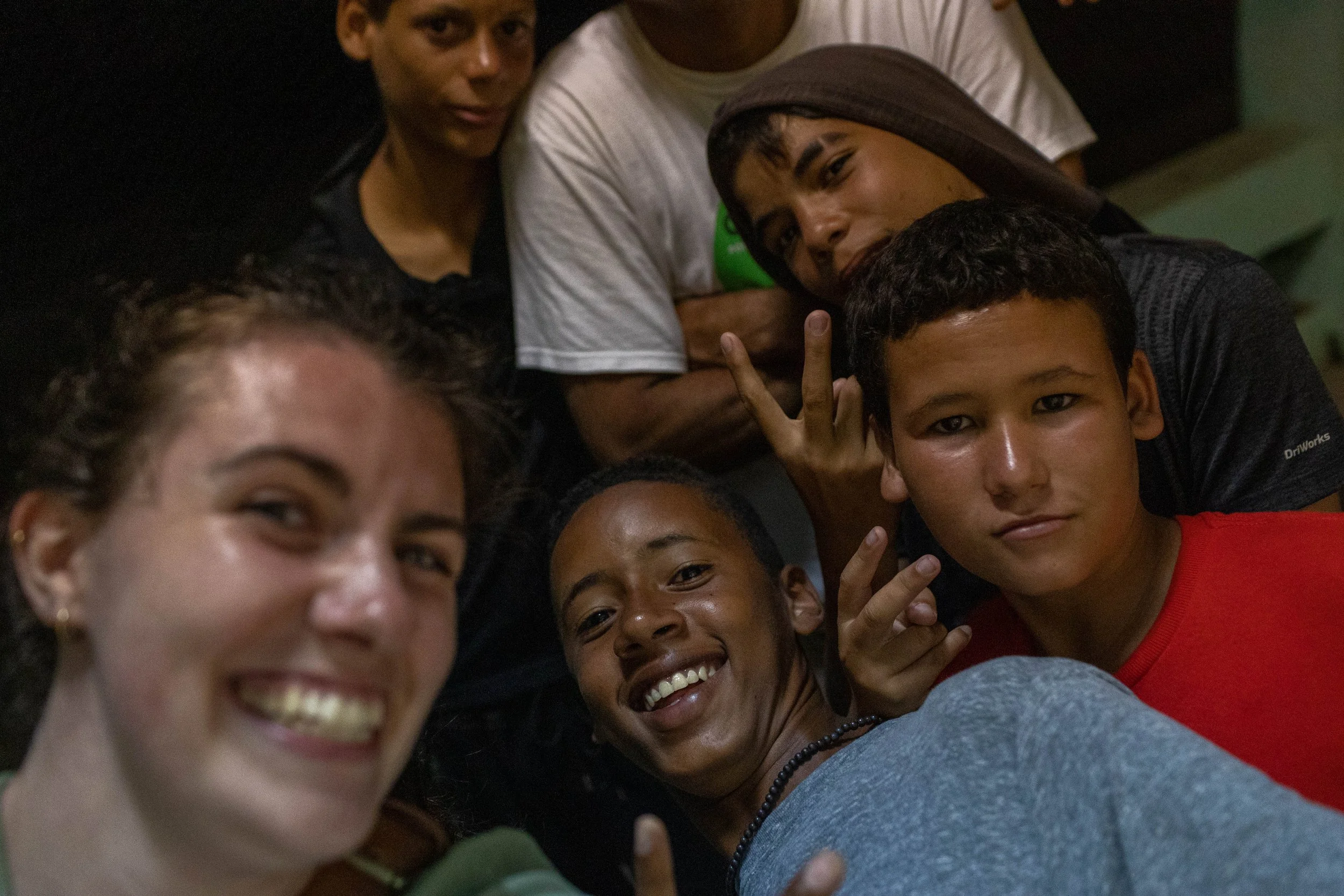
The other thing that made this trip different is that I wasn’t covering a single ceremony. I was embedded in a youth summer camp for a full week, which meant I got to actually participate instead of just observe. We did crafts, Bible story skits, and even a talent show where I taught the entire camp the Cotton Eyed Joe so I wouldn’t have to dance alone.
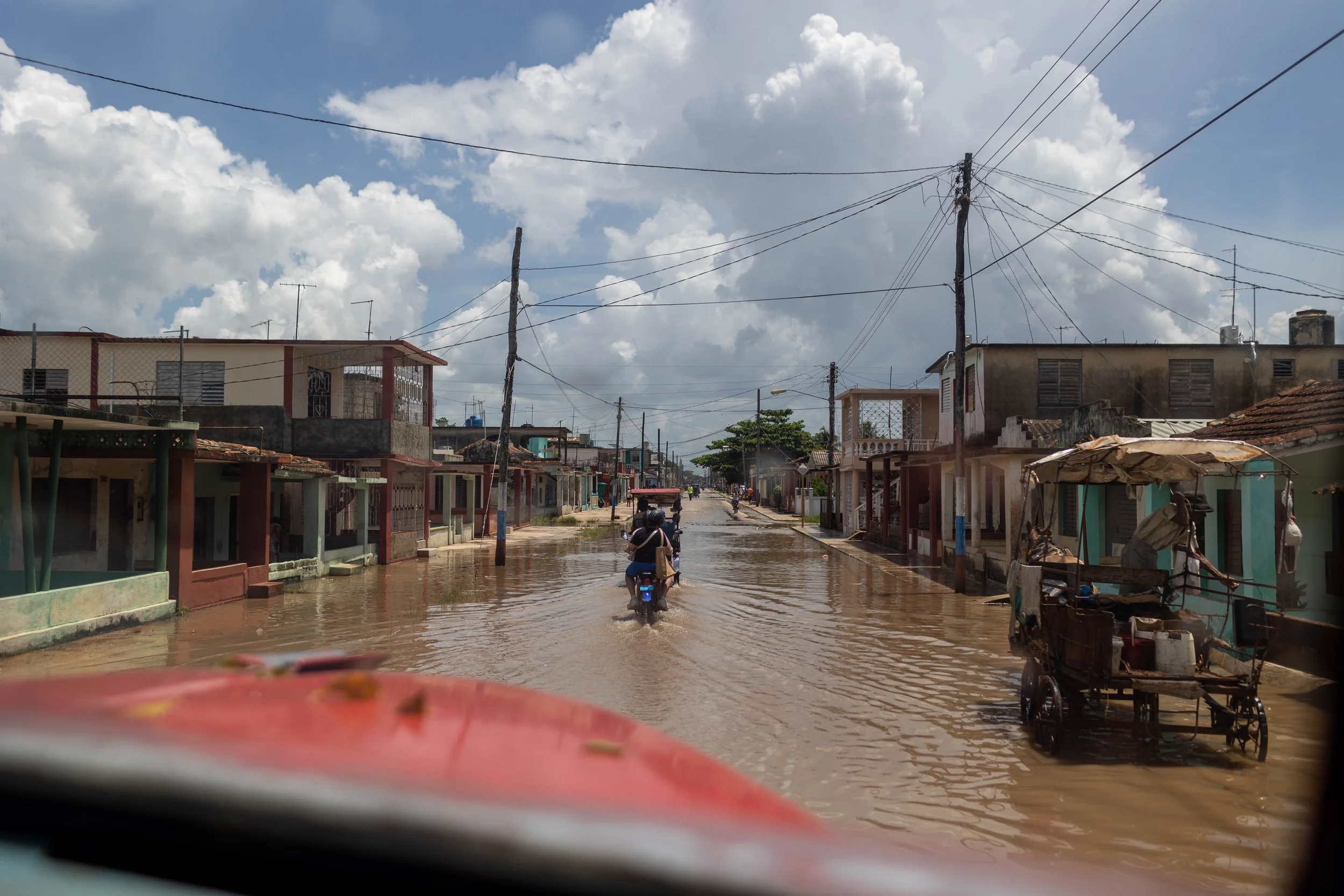
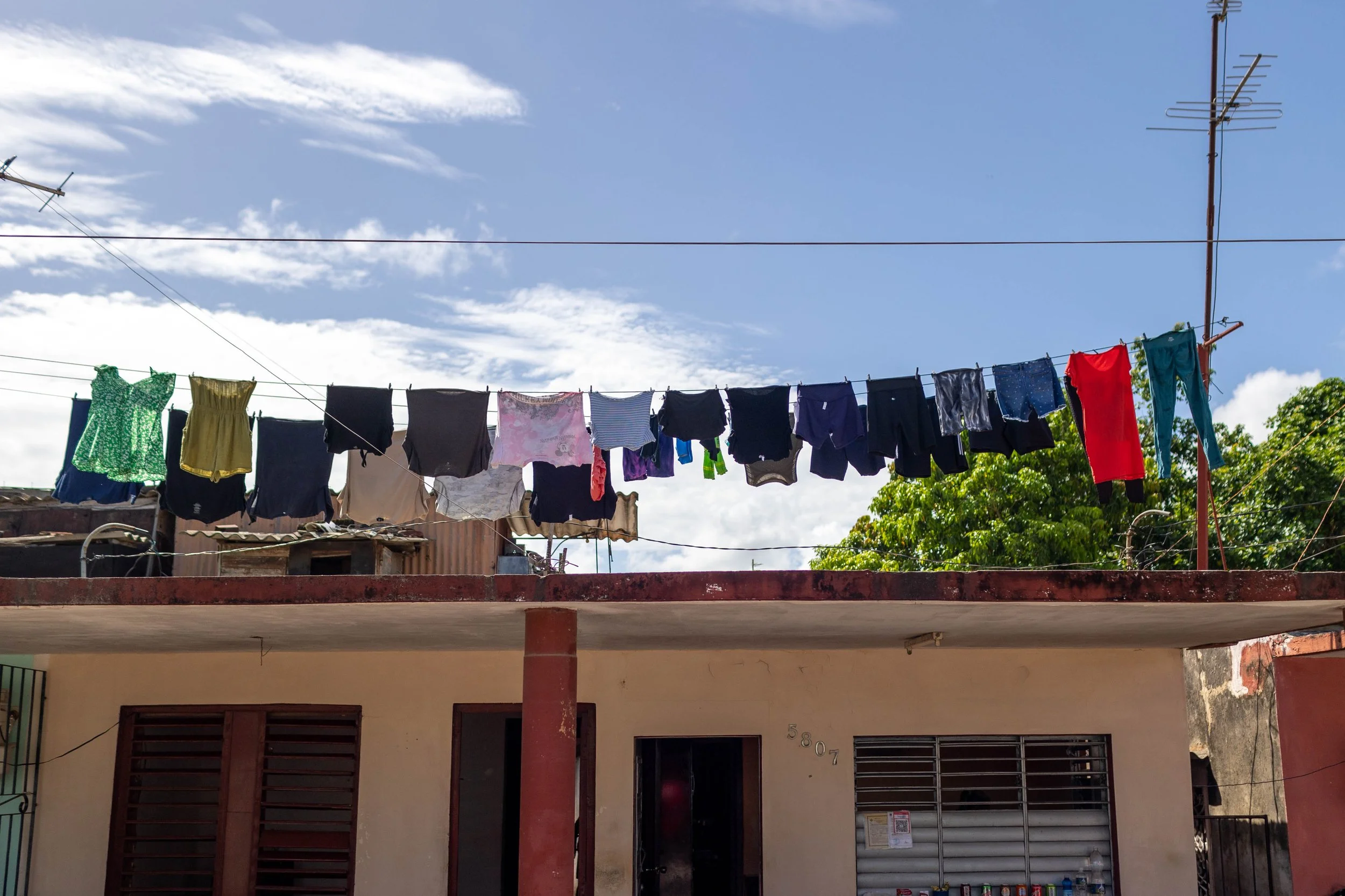
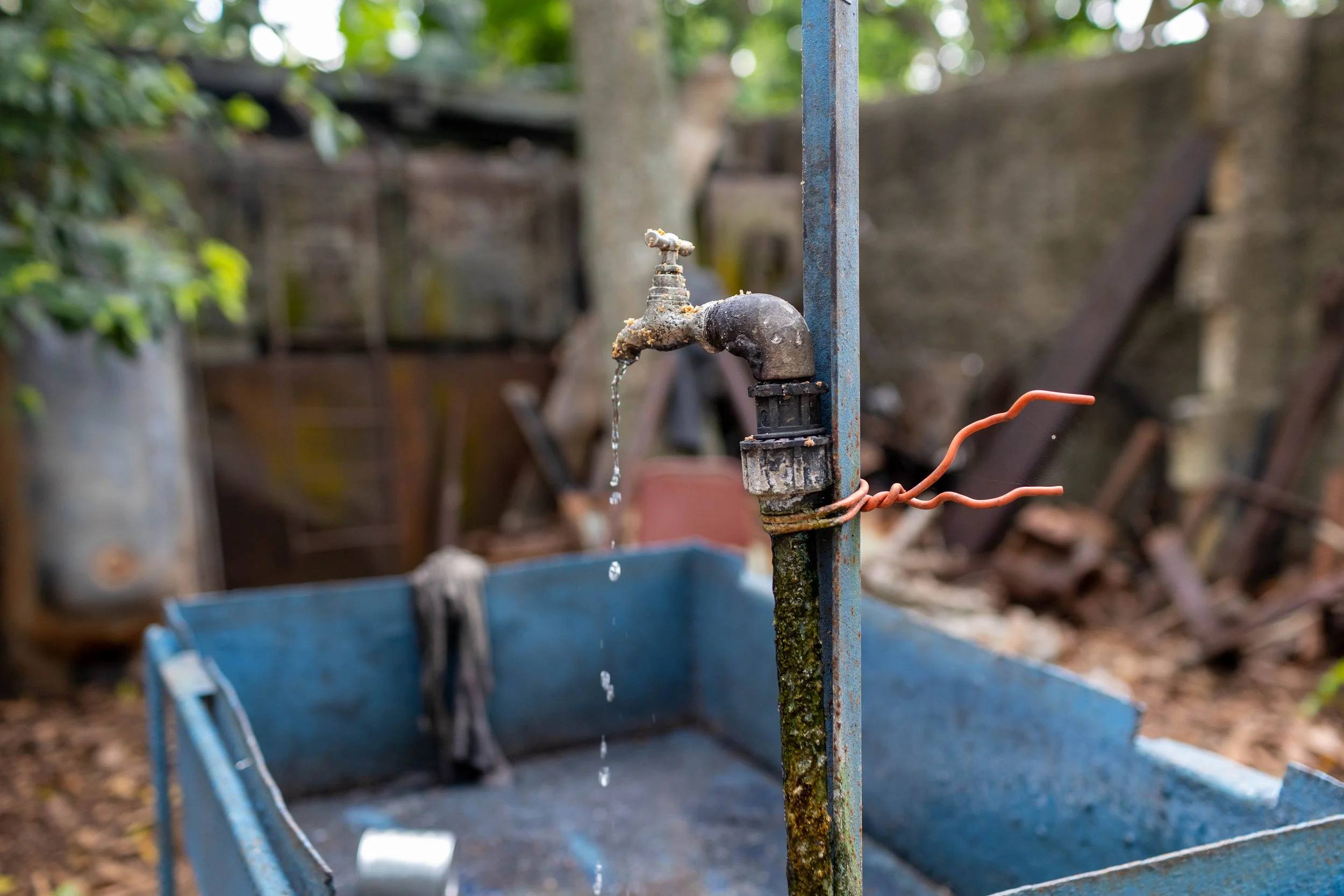
But here’s the kicker: nearly the entire island of Cuba is depleted of basic resources. The town I was staying in only had power for a few hours a day (usually sometime between 2:00 and 4:00am). There had been rolling blackouts back in 2024 too, but not to this extreme. It got hot enough that sleep wasn’t really a thing. I’d lie awake until the fan kicked on around 2:00am, then wake up again the second it cut back off. I’m not normally a coffee person, but a Cuban cafecito after every single meal became non-negotiable. I started calling it “gasolina” because lord knows this engine needed fuel from somewhere.
Not only was the power situation something I had never experienced before, but the fuel shortage also deeply affected transportation. I could be moving between a van, a bicitaxi, or my own two feet with little notice, so everything I packed had to fit in one backpack I kept on my body at all times.
The question you may be asking yourself, “Doesn’t all of your camera gear require batteries? How would you charge them?” Ermmmm, yeah. Power was not something I could rely on in any sense. I packed as many batteries as I could and brought a few portable chargers, then I crossed my fingers.
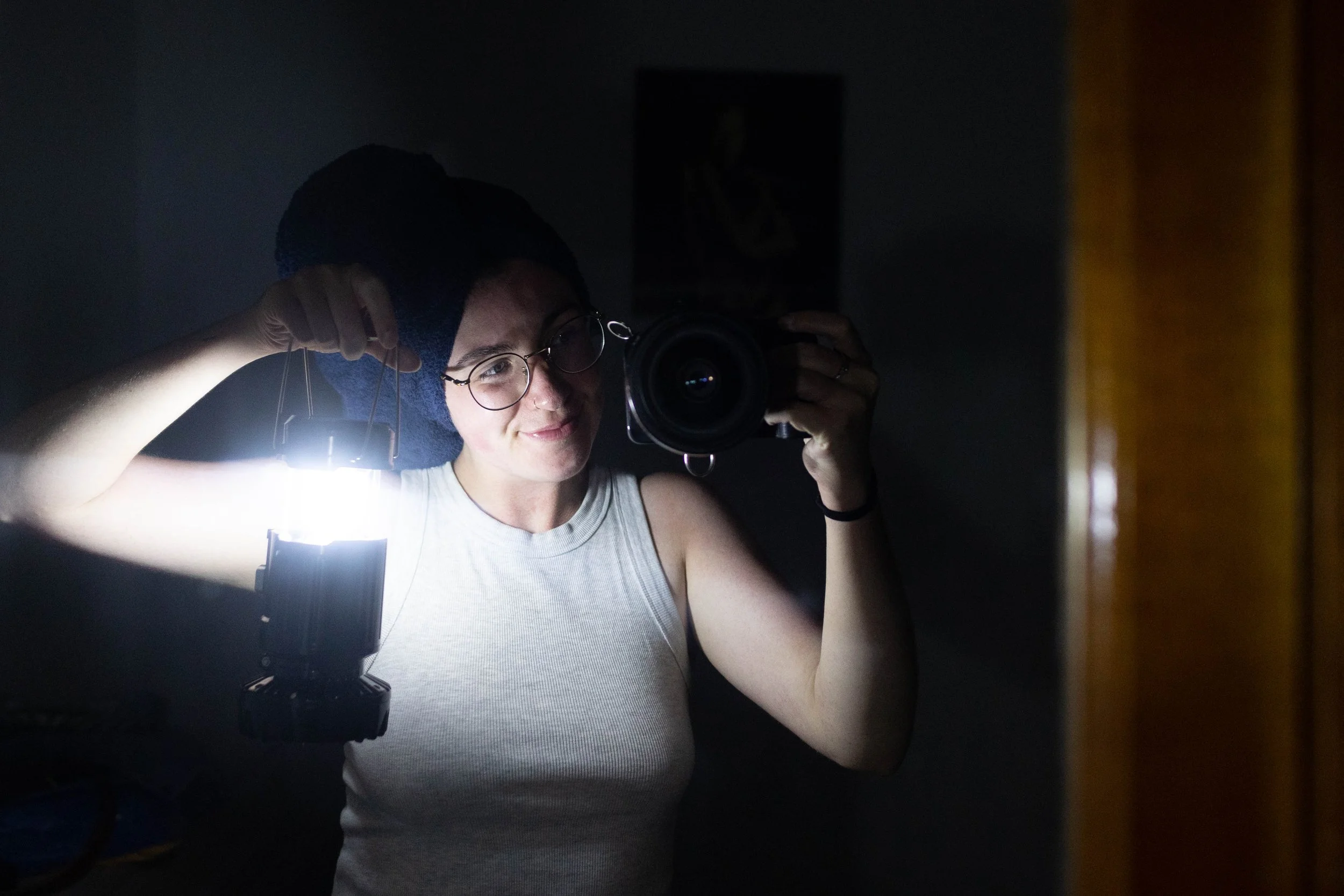
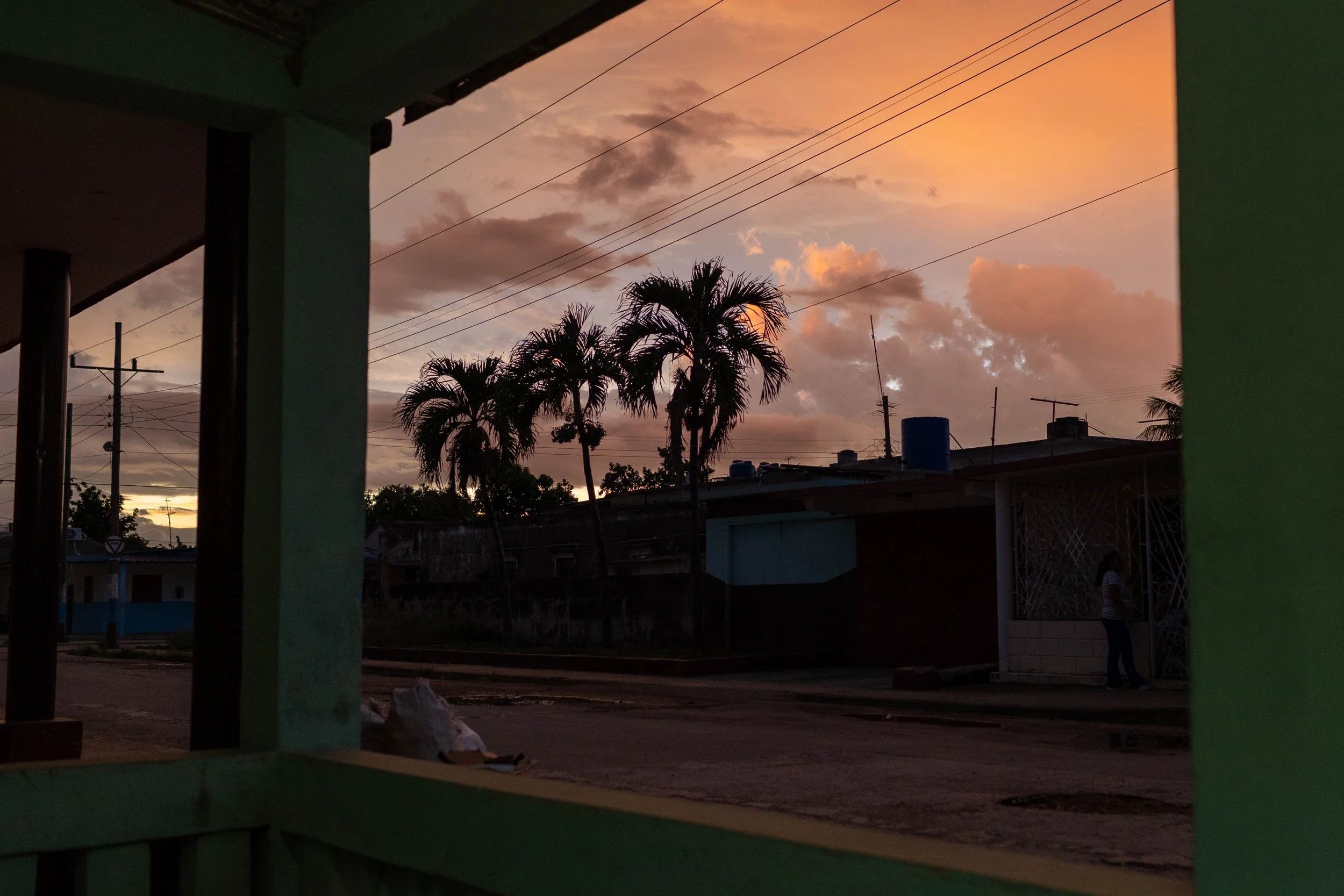
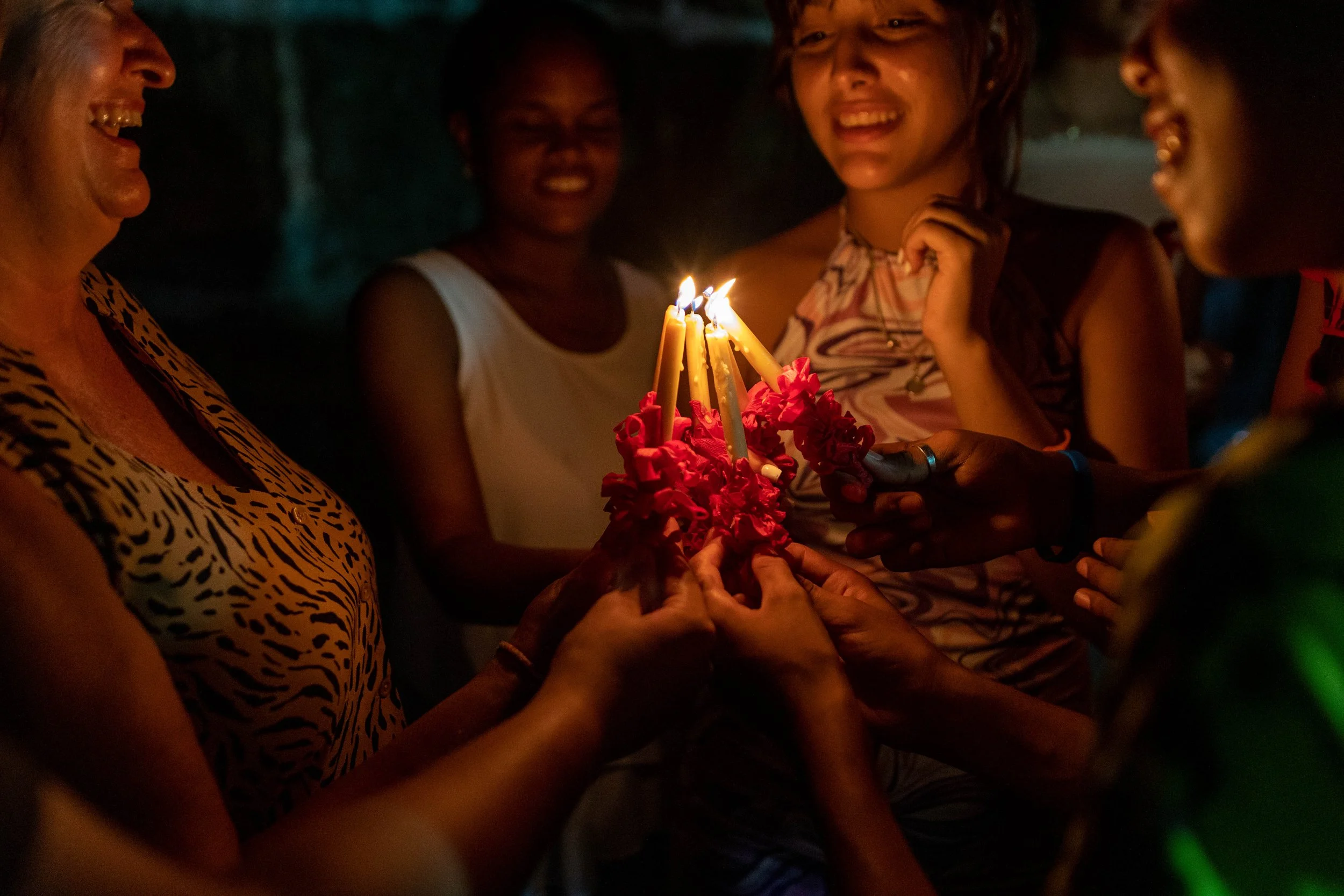
When I first realized how little gear I could realistically bring, I was bummed. But the constraint ended up being a gift that forced me to be more creative than I would have imagined. There was no room to overthink a shot. If I didn't press the shutter right then, the moment was gone, full stop. Photography culture gets really wrapped up in gear, and I get the appeal, I really do. But here’s the secret no brand will ever admit: when someone looks at your photo, they have no idea what camera made it or how old the gear was. Even seasoned photographers are just guessing. So don’t let gear be your excuse. The best camera for the job is whatever’s already in your hand.
How to fit your “media team” into a backpack
For the camera nerds reading this (and I know there are a few of you!) here’s what I ended up bringing with me: Canon R6 camera body, 35mm lens, 50mm lens as backup, DJI Osmo Pocket 3 with mics, four 128GB SD cards, two 128GB mini SD cards, a fanny pack that doubles as a camera strap, lens cleaning supplies, and a few handfuls of batteries.
Earning trust in a room full of strangers
I blend in without trying at home. But in Cuba, the whole room turns around when a tall white girl with an American accent walks in. The first time I visited, I was surprised when a teenage girl asked me for “una foto” and I raised my camera to take a picture of her only to realize she meant a photo of the two of us together. Then it kept happening over and over again. It wasn’t until someone explained it plainly that the weight of it landed: for a lot of these girls, magazines were the only place they’d ever seen someone who looked like me. Sit with that for a second. And on top of that, the camera gear hanging off my body was worth more than some of the homes I was standing in.
So yeah, I stand out. People are right to wonder who I am and what I’m actually there for. Here’s how I go about earning trust in a new space:
I keep the camera at my hip for as long as it takes. I’m a person first and a photographer second. People need to trust me before I ever raise the lens (not “tell me your deepest secrets” trust but more like “I won't twist your story” trust). When people ask questions, I answer honestly. It doesn’t have to be complicated.
Once we’ve talked and laughed for a bit, my first photos are never of people. I take photos of the building, a sign on the classroom wall, the little stuff nobody notices. It lets people get used to the camera existing in the room before it’s ever pointed in their direction.
Then by the time I actually ask for consent to take someone’s picture, it doesn’t feel like an intrusion. People associate me with having a camera in my hands and feel my energy from behind the lens.
Having a background in Spanish helped a ton here, but I’m far from a native speaker. I made constant mistakes, but people loved correcting my grammar and helping me expand my vocabulary. I used to be embarrassed to speak badly but now I don’t care in the slightest. Trying is the message. It says “I want to be part of your world” way more clearly than actually saying that sentence ever could.
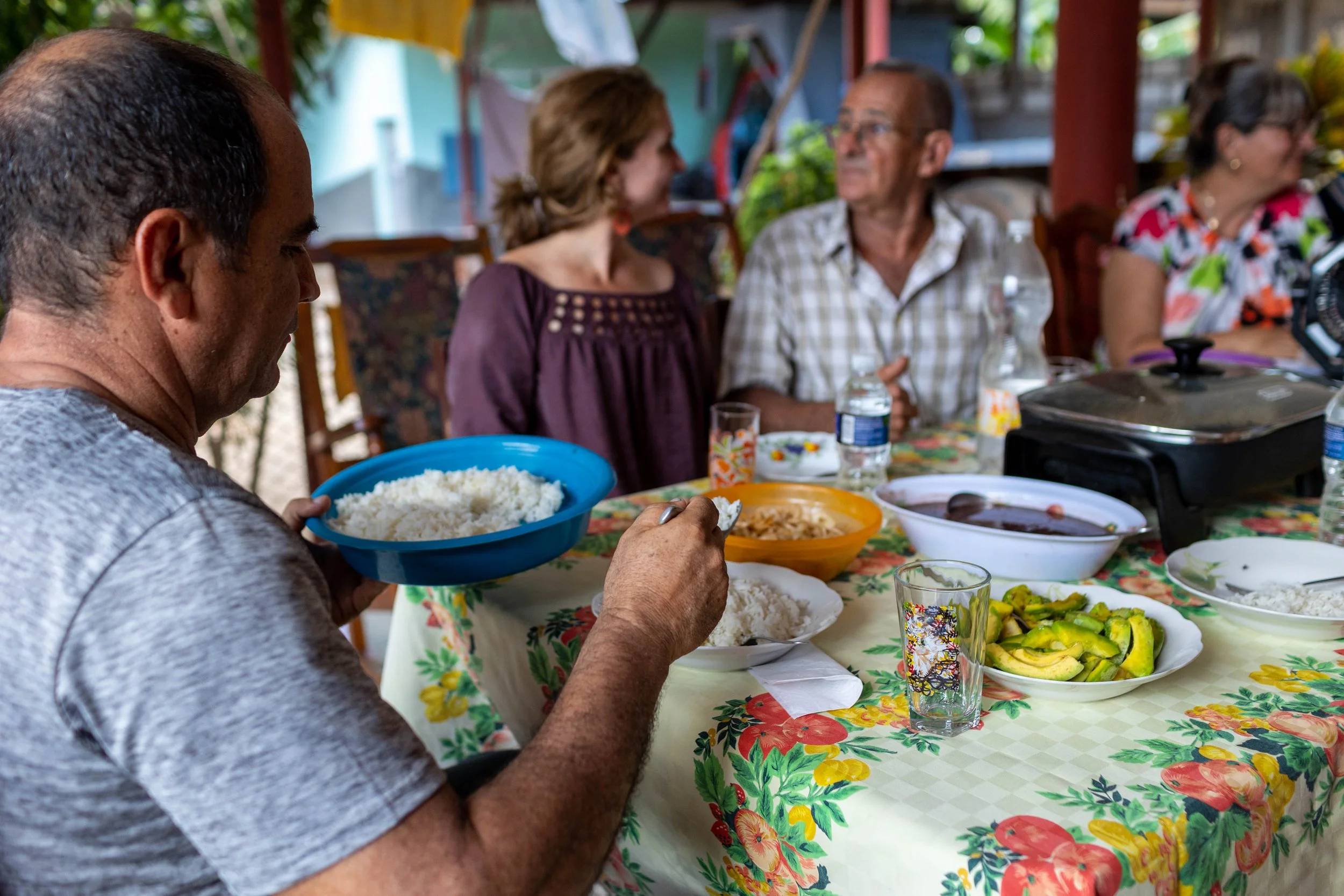
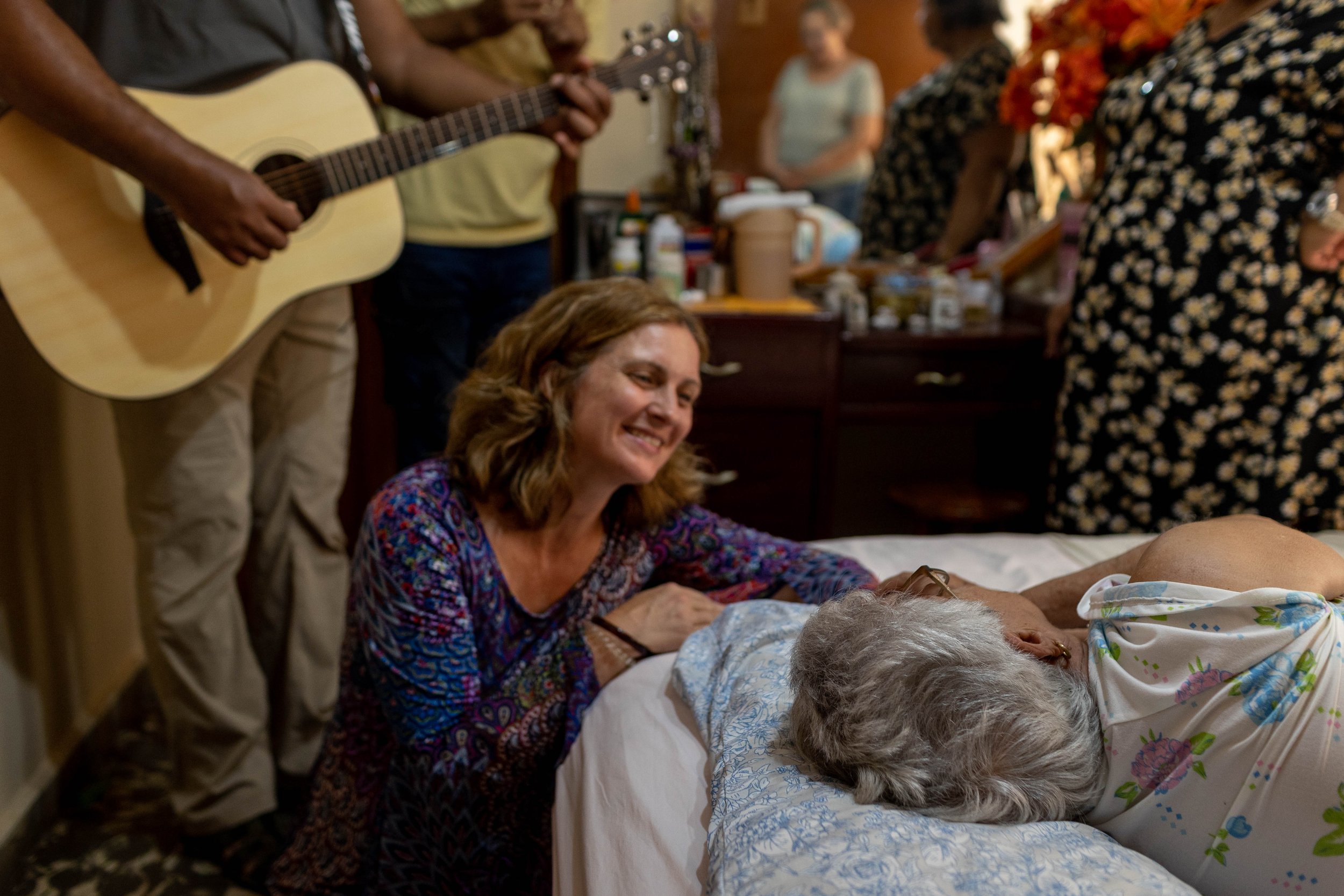
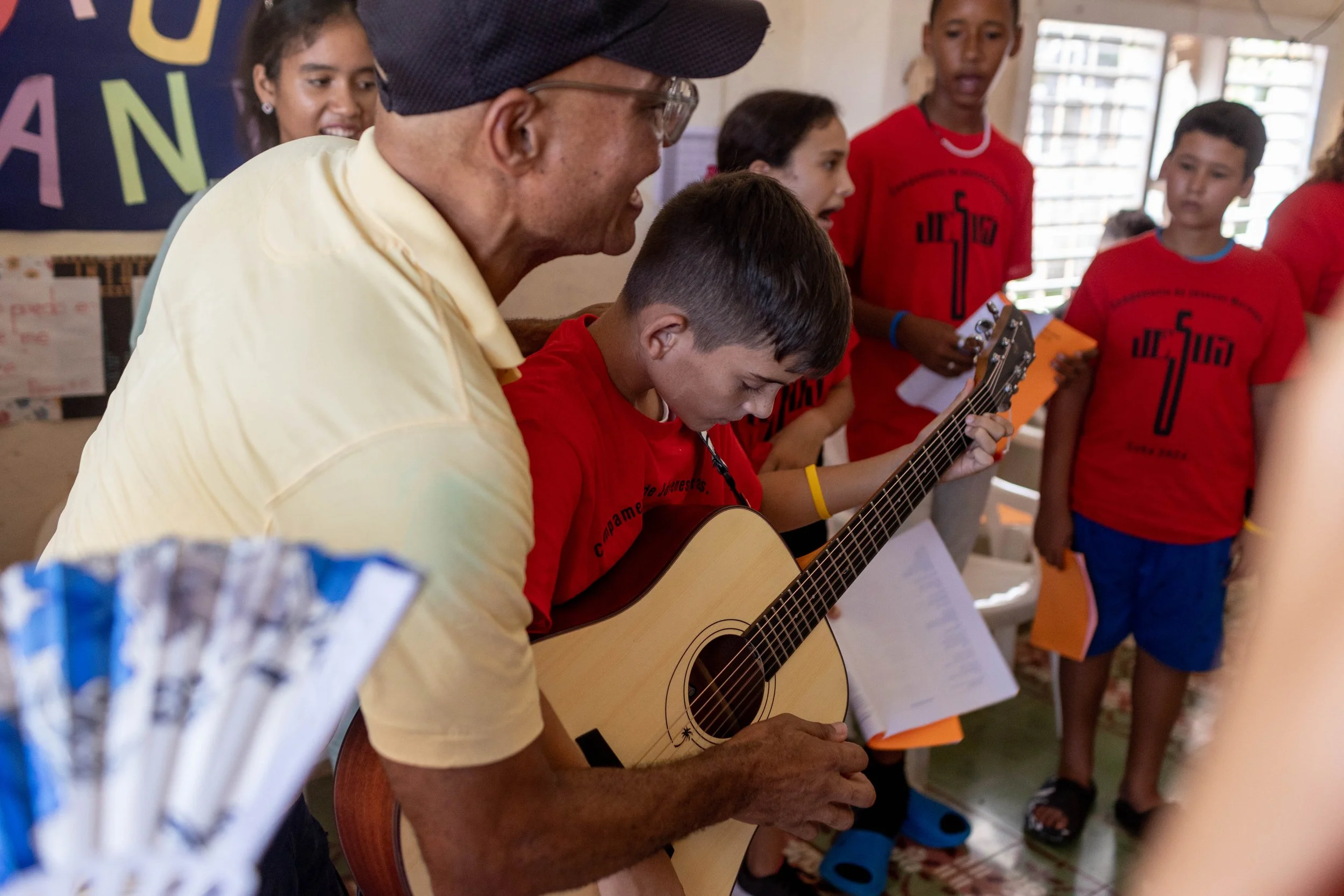
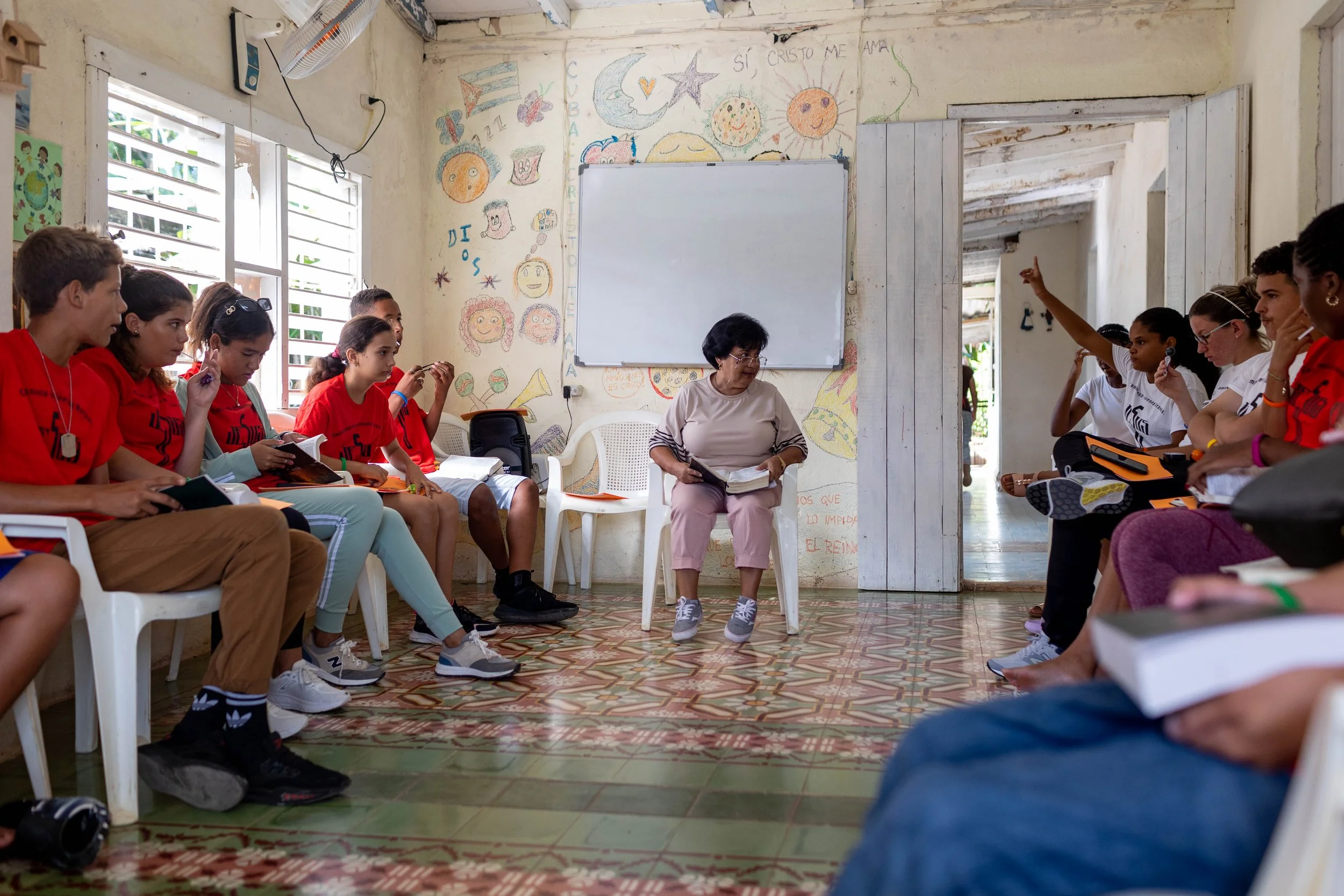
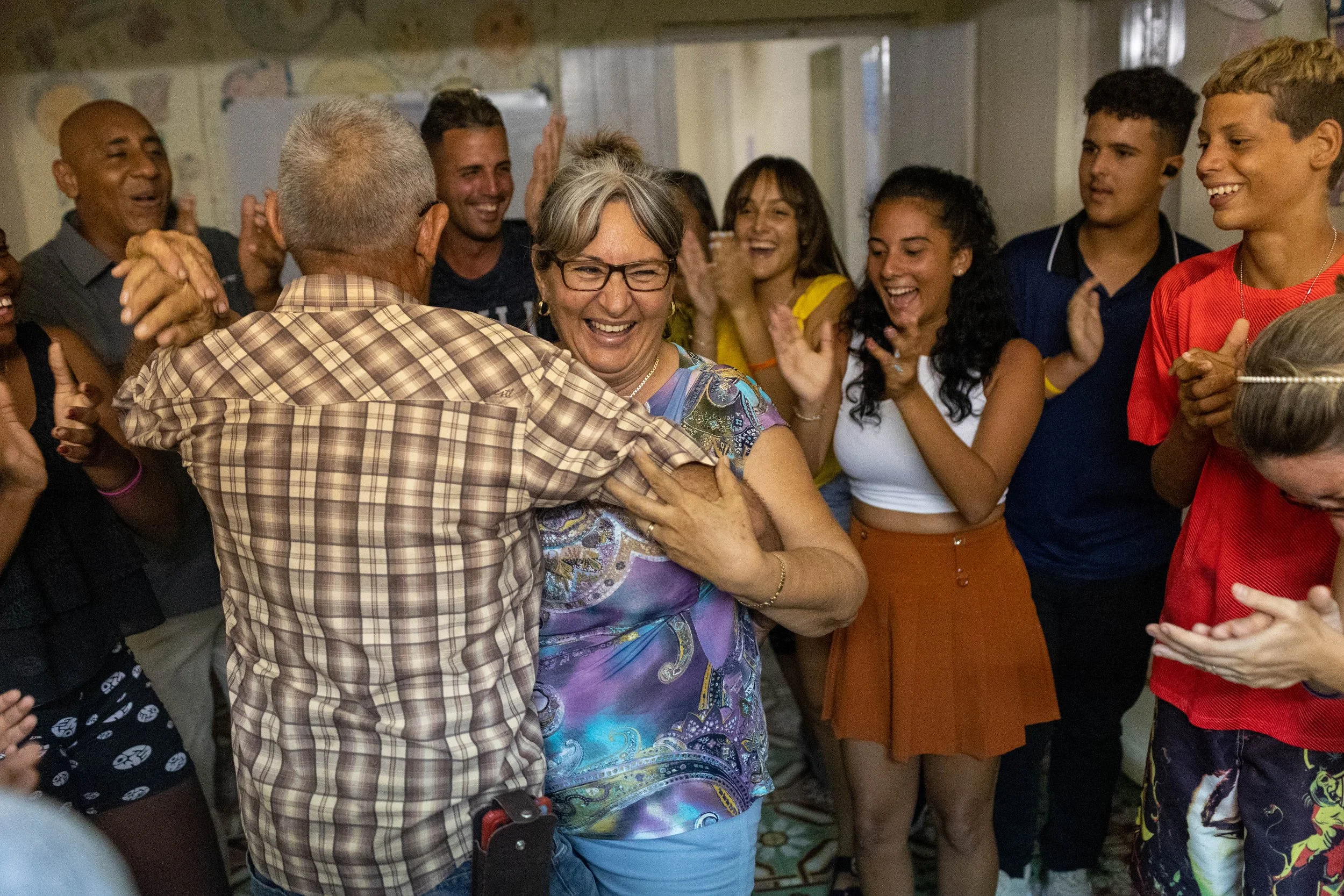
Turning year-old footage that I had forgotten about into a fundraising video
I met Cynthia, Executive Director of the Armando Rusindo Foundation (ARMF), on this most recent trip. She remembered me taking a ton of videos and asked if I could turn it into something for ARMF’s annual fundraising dinner, Illuminate Cuba.
The actual editing of the three minute video took about a month. I had a deadline to meet, but I gave myself plenty of time to wrestle with it and create a few different versions. When these kinds of projects are rushed, ethics are overlooked. Stepping away on purpose helped me think and create with more intention.
Full disclaimer, I learned my ~editing flow~ from the editors of Love Island. No, not in-person or through an internship. I learned via YouTube as any good self-taught entrepreneur should. Here are the steps I took:
I rewatched and organized everything before touching a timeline. I sorted all the raw footage into folders labeled “Church b-roll” or “Water system” so when I finally sat down to edit, I already knew exactly where to look.
I built the story structure before I built the video. After a handful of drafts, I sent ARMF a proposed sequence for approval before editing a single frame. That way, if the plan didn’t match what they actually wanted, we would know early on and not after I’d already spent hours editing.
Rough cut, feedback, final cut. I used the editing sequence to inform the order of the clips, got the rights to the music (from Audiio), sent off a draft video for feedback, and spent hours overanalyzing details nobody else would notice but that’s just part of my charm.
The hardest part is rarely technical, it’s developing a narrative. How do you tell a story that doesn’t resolve neatly? How do you show real struggle and human resourcefulness without turning resilience into something people just admire from a safe distance? That tension is what I was actually wrestling with in every single edit.
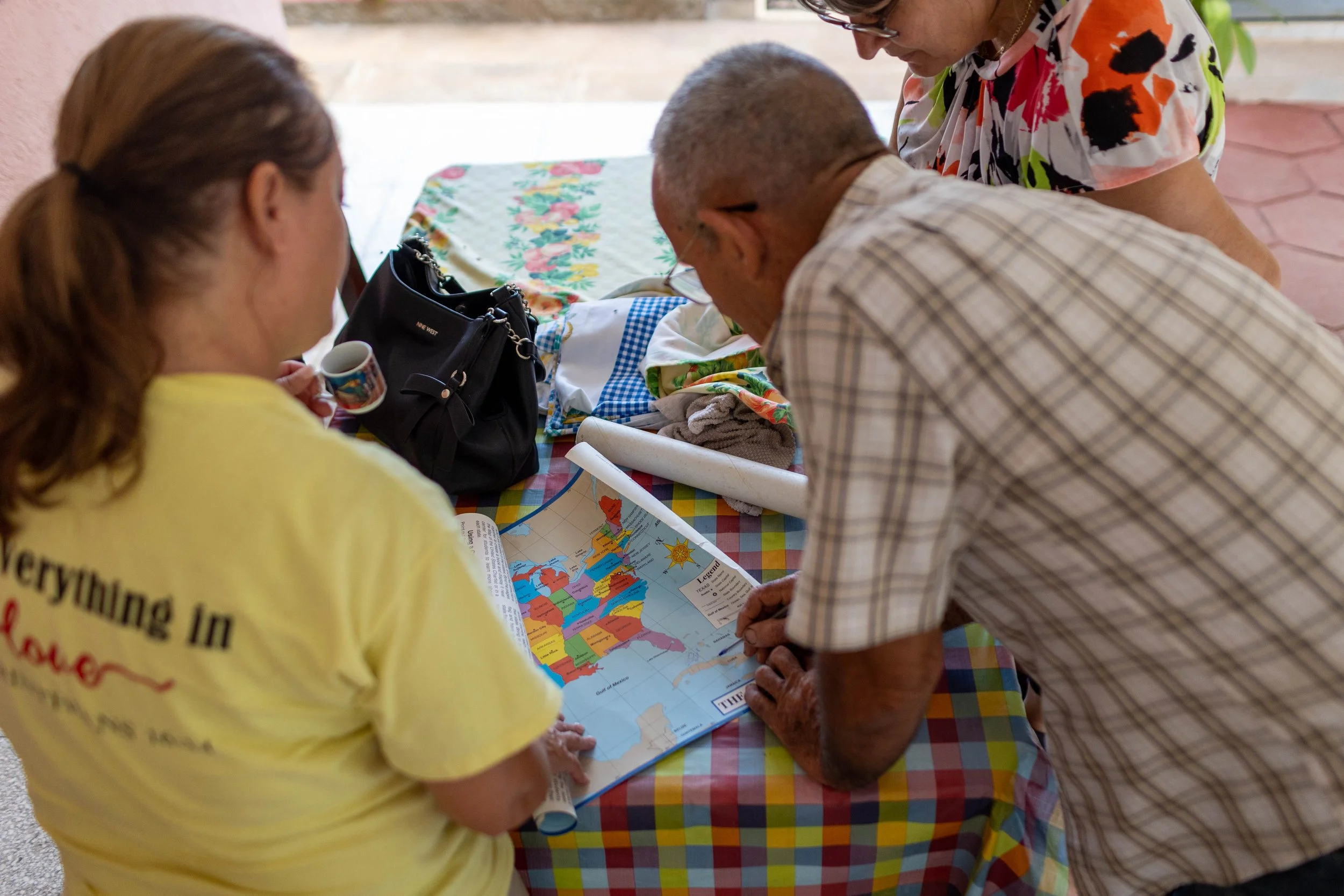
I got on a plane and went home.
The part that cannot be overlooked is that I got to leave the blackouts, the fuel shortages, the reality of a country running on almost nothing. The people I was hanging out with don’t, and may never, have that luxury. I’m a white, American-born girl who makes a living doing something I LOVE and people find compelling enough to pay me for. None of that is something I earned by being a good person. It’s the life I was handed, and it’s the reason I can walk into a room of strangers and walk out with their story on a memory card. That’s a real privilege and it comes with a real responsibility.
The question I opened this newsletter with — how do you show struggle without turning it into a spectacle — does not have a simple answer. But I think part of the answer is this: never forgetting that I get to leave, and they may never. That gap should sit uncomfortably with me every time, not just the first time.
To any curious soul reading this far down the email (thank you!), that discomfort is not a sign you are doing something wrong. It is a sign that you’re finally paying attention.
The crisis in Cuba is complex. Here’s a variety of sources to learn more about what’s going on:
Words for the search bar: Documentary Photography, Visual Storytelling, Duluth Minnesota, Ethical Storytelling, Travel Photographer, Nonprofit Photographer, Freelance Photographer, Storytelling Consultant, Molly Suzanne Creative